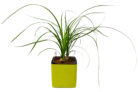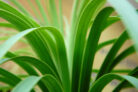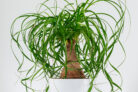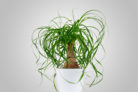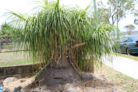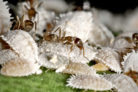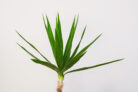
The Ponytail Palm (botanical name: *Beaucarnea recurvata*) is one of those “tough as nails” houseplants we all love. While it’s generally pretty resilient, pests can still crash the party every now and then. To keep yours thriving, it’s a good idea to give it a quick check-up once in a while so you can catch any uninvited guests early.
Which pests should you look for?
Even though infestations aren’t super common for Ponytail Palms, you shouldn’t underestimate these tiny troublemakers. If left unchecked, they can actually kill your plant. The main culprits you’ll likely run into are:
- Spider mites
- Scale insects
- Mealybugs
- Thrips
Pro Tip: Since giving your plant a good “shower” is often the first line of defense, make sure to cover the soil with plastic wrap first. You want to wash off the bugs, not drown the roots or wash away the substrate!
Spider Mites (Tetranychidae)
Size and Symptoms:
- Size: Tiny! Only 0.25 to 0.8 millimeters.
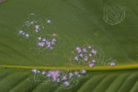
- What to look for: Small pale, yellowish-white spots on the leaves. Eventually, you’ll see fine webbing with tiny dots (those are the mites).
- When they show up: They love dry air—think indoor heating in the winter or intense summer heat.
How to get rid of them:
- Give your plant a shower, then pop a clear plastic bag over it and tie it shut. The extreme humidity trapped inside will kill off spider mites within a week.
- Try a DIY oil spray: Mix 1 quart of water with about 1 cup of canola oil.
- Use a natural “tea” made from nettles, horsetail, or a garlic/onion soak to wipe down the leaves daily for a week.
Natural Predators:
- Spiders
- Lacewings
- Predatory mites
- Parasitic wasps
Scale Insects (Coccoidea)
Size and Symptoms:
- Size: 0.8 to 6 millimeters.
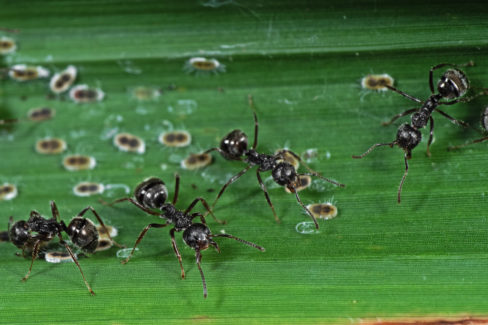
- What to look for: Sticky residue called “honeydew” on the leaves or the floor around the pot. This sticky stuff often attracts ants and other insects.
- When they show up: These guys are a year-round threat.
How to get rid of them:
- Blast them off with a strong stream of water.
- Wipe the leaves down with soapy water.
- Squish them manually if you see them.
- Use natural sprays made from rhubarb leaves, garlic, tansy, wormwood, or even onion and potato peels.
Natural Predators:
- Lacewings
- Hoverflies
- Parasitic wasps
- Assassin bugs
- Gall midges
Mealybugs (Pseudococcidae)
Size and Symptoms:
- Size: Up to 12 millimeters.
- What to look for: “White fuzzy spots” and fine, cottony webs on the leaves.
- When they show up: Any time of year.
How to get rid of them:
- Give the plant a thorough rinse with a strong spray of water.
- Wipe down the leaves using a mild insecticidal soap or a simple dish soap solution.
Natural Predators:
- Lacewings
- Parasitic wasps
- The “Mealybug Destroyer” ladybug (*Cryptolaemus montrouzieri*)
Thrips (Thysanoptera)
Size and Symptoms:
- Size: 1 to 3 millimeters.
- What to look for: Tiny brownish spots, leaf discoloration, and eventually, leaves dropping off.
- When they show up: Usually from spring through autumn.
How to get rid of them:
- Shower the plant with a soapy water solution.
- Wipe the leaves down individually with soapy water to ensure you’ve cleared them off.
Natural Predators:
- Predatory mites
- Lacewings