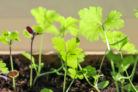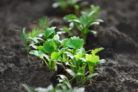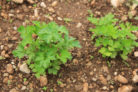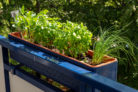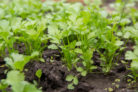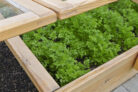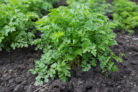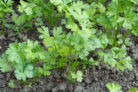
We all know those herbs that are “light germinators”—the ones you just sprinkle on top of the soil and let the sun do its thing. Without that direct light, they won’t even budge. But does parsley fall into that sun-loving category, or is it one of those seeds that prefers to do its work in the dark?
Parsley: A True Dark Germinator
If you’re planning to grow parsley, keep this in mind: it’s a dark germinator. Whether you’re planting in a garden bed or a pot on your windowsill, those seeds need to be tucked in under a solid layer of soil. The specific long-wave light that triggers their growth actually passes through that top layer of dirt. If you just press them into the surface like you would with basil, you’ll be waiting forever for sprouts that never show up. Aim for a planting depth of about half an inch (1 cm). Also, make sure your seeds aren’t more than two years old, and remember to practice crop rotation—don’t plant parsley where other umbellifers (like carrots or dill) have grown in the last four years.
How to Sow Your Parsley Seeds Right
- Loosen up the soil and clear out any weeds or stones.
- If your soil is a bit thin, mix in some compost for a nutrient boost.
- For heavy, compacted soil, add a little sand to improve drainage.
- For outdoor sowing, wait until late April when the ground has warmed up.
- Make sure the soil temperature is at least 46°F (8°C) before starting.
- Keep the soil consistently moist (but not soggy!).
- Pro tip: Start them indoors in seed-starting mix as early as March to get a head start.
Patience is Key: Expect a Long Wait
Don’t panic if you don’t see green right away. Parsley germination usually takes anywhere from four to six weeks. The warmer it is, the faster they’ll pop up, which is why indoor starts often sprout about two weeks sooner than outdoor ones. Just a heads-up: even under perfect conditions, parsley can be a bit finicky and germinate unevenly. It’s always a smart move to sow a few more seeds than you think you’ll need.
Quick Tip:
Since it takes so long for parsley to show its face, try companion planting with radishes. Radishes sprout super fast, marking your rows so you don’t accidentally dig them up, and they’ll be harvested and gone by the time the parsley needs the extra space.
Speeding Up the Process
Parsley seeds have a pretty tough outer shell that needs to be “cracked” to help the seedling break through. To speed things up, soak your seeds in lukewarm water for several hours so they swell. They’ll get a bit slimy and sticky after their bath, so mix them with a little sand before sowing. This makes it much easier to spread them out evenly in your garden.
Quick Tip:
Want to learn more about growing this kitchen staple? Check out our fact sheet for everything you need to know, especially when it comes to harvesting your homegrown herbs.