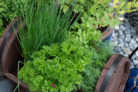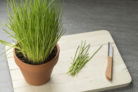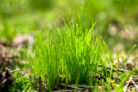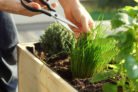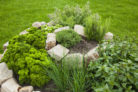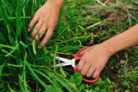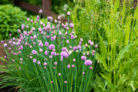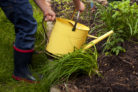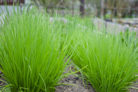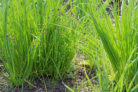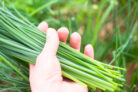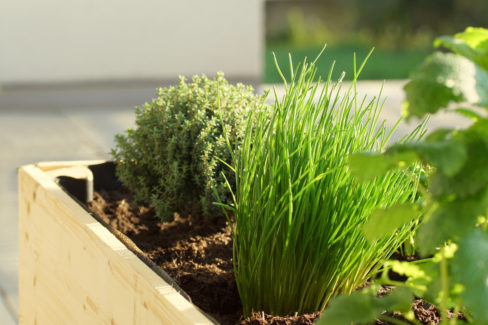
Chives are easily one of the most popular herbs in any kitchen, and the best part? They’re super low-maintenance and grow back incredibly fast. That’s why so many of us love growing them at home! To make sure your herb garden thrives, I’ve put together a quick guide on how to plant them the right way.
What’s the Best Spot for Chives?
Chives are happiest in a sunny to partly shaded spot. Be a little careful with full, intense sun, as the delicate blades can actually get scorched. On the flip side, they’ll still grow in the shade, just a bit slower than they would with more light. As for the soil, chives love it moist, rich in organic matter, and well-draining. You definitely want to avoid “wet feet” (standing water), but don’t let them dry out completely either—otherwise, those green stems will start turning yellow.
How Can You Get Started?
Since chives are perennials (meaning they come back year after year), you have a few great options for starting your patch:
- Starting from seed
- Buying a pre-grown nursery pot
- Propagating by dividing an existing plant
No matter which method you choose, chives do great in both garden beds and containers. Just remember to give them about 8 inches (20 cm) of breathing room between plants.
Growing Chives from Seed
If you have a little patience, you can grow a brand-new plant from those tiny black seeds. While many herbs are light-germinating (meaning they need light to sprout), chives are actually the opposite—they need cool, dark conditions to wake up. Make sure to plant your seeds about a half-inch to an inch (1–2 cm) deep in the soil.
You can sow them outdoors starting in mid-March, as long as the ground isn’t frozen. If you’re using pots, they can go outside as soon as temperatures stay above freezing.
Planting a Store-Bought Herb Pot
Buying a pre-grown pot is definitely the “easy button” for starting your herb garden. To help the plant get settled, try to get it in the ground starting in mid-March; chives are pretty hardy and can usually handle a light frost. One pro-tip: those plastic pots from the store are almost always too small for long-term growth. Even if you want to keep them as a patio plant, you’ll need to repot them into a larger container so the roots have room to move.
Dividing Your Chives
If you already have a healthy chive plant and want more, spring is the perfect time to divide it. Just dig up the plant and use a clean knife to slice the root ball in half. Then, simply replant your two “new” chive plants in their new homes.
Can Chives Have Roommates?
Chives play well with many other herbs and veggies, provided they share the same love for sun and soil moisture. Some plants even act as “bodyguards” for each other! Here’s a quick list of who chives like to hang out with:
- Savory
- Dill
- Strawberries
- Tarragon
- Carrots
- Oregano
- Sage
On the other hand, you might want to keep them away from these “bad neighbors”:
- Artichokes
- Beans
- Garlic
- Leeks
- Parsley