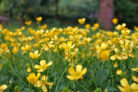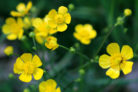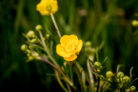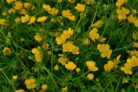
Sure, those bright yellow buttercups look pretty in a field, but don’t let their cute name fool you! If you aren’t careful, buttercups (also known as Ranunculus or Crowfoot) can take over your yard so fast they’ll earn their “weed” reputation in a single season. Once they start seeding in your lawn, you’ll need a solid game plan to get rid of them. But don’t reach for those harsh chemical weed killers just yet! I’ve got some effective, totally organic ways to clear them out of your grass for good.
3 Reasons to Get Rid of Buttercups
- They spread like wildfire through self-seeding.
- They are actually toxic to both humans and pets.
- They’re nutrient hogs that starve out your other plants.
How to Fight Back: Tried and True Methods
Stop the Seeding
Unlike their “creeping” cousins, Tall Buttercups spread primarily through seeds. The silver lining here? You don’t necessarily have to dig up every single root runner. The trick is to cut off those seed heads before they have a chance to drop. If your lawn is already seeing a yellow takeover, the easiest fix is to grab your lawnmower. Just make sure you mow *before* they finish blooming.
Full disclosure: This isn’t a “one and done” fix. You might not see total victory in the first year, but if you stay consistent with your mowing schedule, the weeds will eventually give up the ghost.
Sow Some Competition
Buttercups love nothing more than a bare patch of dirt to call home. By keeping your lawn thick and healthy, you take away their room to grow. Try overseeding with fast-growing varieties like:
- White Clover
- Kentucky Bluegrass
- Perennial Ryegrass
These guys grow fast and won’t let the buttercups get a head start. Even if buttercup seeds have already landed, these aggressive grasses will grow taller and faster, shading out the weed seedlings and winning the fight for sunlight.
Use This Simple Kitchen Hack
Buttercups absolutely thrive in acidic soil. If you want to make your garden a “no-go zone” for them without breaking a sweat, try adding some lime or calcium to your beds. A great DIY tip? Crushed eggshells! They’re basically free since you’re probably throwing them away anyway. Just a heads-up: before you go crazy with the eggshells, make sure your other nearby plants don’t actually prefer acidic soil!
A Quick Safety Note
Keep in mind that buttercups aren’t just a nuisance—they’re toxic if eaten. Even just touching them can be a literal pain, as the plant produces a sap that can irritate your skin, causing redness or “buttercup dermatitis.” No matter which removal method you choose, do yourself a favor and always wear a good pair of gardening gloves!