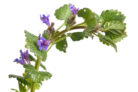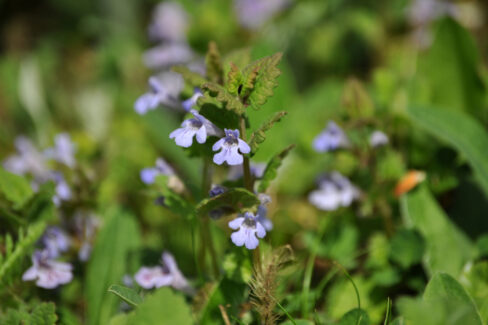
Ground ivy (scientifically known as *Glechoma hederacea*), or “Creeping Charlie” as many of us call it, is actually a pretty amazing wild herb with tons of health benefits. But let’s be real: once this pretty little member of the mint family stakes a claim in your lawn, your first instinct probably isn’t to make tea—it’s to figure out how to get rid of it! Creeping Charlie doesn’t go down without a fight, though.
Why you need to tackle Creeping Charlie early
Look, you don’t *have* to fight it. But if you want to save your lush green lawn, you’re going to have to show it the exit. The same goes for your flower beds and veggie patches. Otherwise, this wild herb (which most gardeners quickly rebrand as a “stubborn weed”) will take over your entire yard. It’s got a two-pronged attack: it spreads effortlessly via seeds, and it sends out runners that can be several feet long, rooting every few inches to start a brand-new plant. Here’s why it’s a problem:
- It spreads incredibly fast over large areas.
- It’s not picky—it’ll conquer almost any soil type or location.
- It hogs the light and nutrients, starving out your other plants.
- It’s prone to fungal issues that can spread to its neighbors.
Do chemical weed killers actually work?
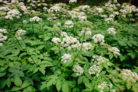
You’ll see plenty of chemical concentrates at the hardware store, but they usually only offer a temporary fix. What’s the point of killing the leaves if the roots stay tucked safely underground, ready to sprout again in a few weeks? To really win this battle, you’ve got to go mechanical. But before you start digging, make sure you’re actually dealing with Creeping Charlie. It’s easy to confuse it with things like common ivy, bugleweed, self-heal, or dead-nettle.
Getting rid of Creeping Charlie the natural way
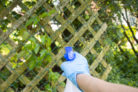
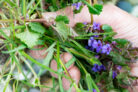
The best tool for fighting Creeping Charlie is one you already own: your hands! I know, I know—it’s tedious and time-consuming, but it’s honestly the only way to get the job done right. You need to find every single plant and pull it out, roots and all. Follow those runners and dig up every last bit of root. If you miss even a tiny fragment, a new plant will pop up before you know it. Try to do this before the blooming season. Once those flowers turn into seeds, you’ve already lost next year’s battle.
Pro Tip:
Don’t toss your freshly pulled Creeping Charlie onto the compost pile! Those root fragments can survive the composting process and sprout later. Throw them in the trash instead, or let them dry out completely on a hot sidewalk or paver until they’re totally crispy.
Dealing with it in the lawn
If you think frequent mowing will kill off Creeping Charlie, I’ve got bad news: it actually makes it worse. Mowing doesn’t hurt the base of the plant at all. In fact, by keeping your grass short, you’re just giving the weed more sunlight and room to breathe. There’s no way around it—you’re going to have to dig it out. You’ll likely need to go over the same spot several times throughout the season to catch every last bit.
How to keep it contained
The cool thing about Creeping Charlie is that it’s actually edible and has plenty of uses in the kitchen. If you actually like the flavor, you can grow it in your garden instead of foraging for it in the woods. To keep it from taking over your whole yard, you need to set boundaries. The easiest way is using paving stones; the plant doesn’t like the pressure and usually won’t climb over them. Also, make sure to harvest it before it flowers so it doesn’t spread seeds outside its designated “zone.”
Pro Tip:
Want more facts about this useful herb (or annoying weed, depending on who you ask)? Check out our Creeping Charlie profile.