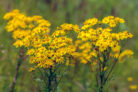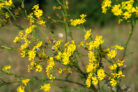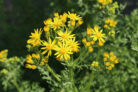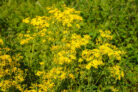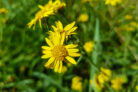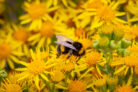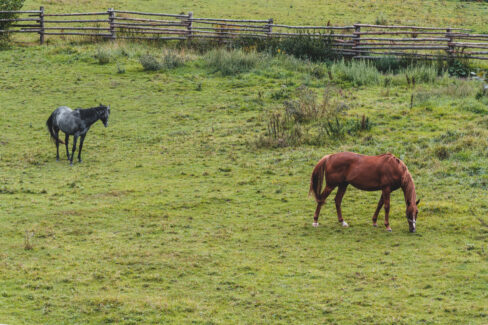
With its bright yellow blooms, Tansy Ragwort might look like a beautiful addition to a summer pasture. It thrives in the sunshine and loves agricultural land, but don’t let those pretty flowers fool you—for horses, Tansy Ragwort is incredibly toxic!
A Long-Standing Resident
Tansy Ragwort (often just called Ragwort) has been around for centuries. A member of the daisy family (Asteraceae), it’s easily identified by its cluster of daisy-like yellow flowers at the top of a sturdy stem and a deep taproot that anchors it firmly into the ground. This plant is a fan of sunny spots and poor soil, which is why you’ll often see it popping up along roadsides or railroad tracks. Believe it or not, it used to be included in seed mixes! These days, however, any responsible horse owner knows that keeping this weed off their property is a top priority.
Signs of Poisoning
If you’ve ever seen a horse suffer from Ragwort poisoning, you know exactly why it’s so important to get rid of it. The plant contains Pyrrolizidine Alkaloids (PAs), which accumulate in the liver and cause chronic, irreversible damage. Sadly, PA poisoning is usually fatal for horses. Here are some red flags to watch out for:
- Weight loss
- Frequent yawning
- General loss of condition or lethargy
- Constipation or colic
- Skin lesions or “scratches” in the pastern area
- Blood in the urine or manure
- Restlessness, aimless wandering, or staggering
- Elevated liver enzymes in blood work
How to Get Rid of Ragwort for Good
If you want to keep your horses safe, there’s really only one solution: you have to remove every single bit of the plant from your pasture and dispose of it securely. If you only have a few plants here and there, you can tackle the job manually. Use a digging fork to carefully lift the entire plant out of the ground. Make sure you get every little root fiber, and put the plants directly into sealed bags. Even a tiny piece of root left behind can sprout into a new plant!
If your pasture is completely overrun, you might need to turn to a targeted herbicide to get the job done at the right time of year. Just remember: even after the plants are dead, they remain toxic. You must carefully collect all the dead plant material and destroy it to keep your animals safe.