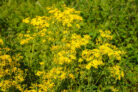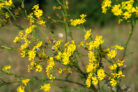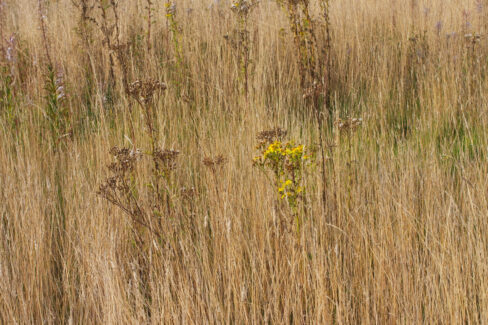
Tansy Ragwort is a major red flag for anyone raising cattle, horses, or other livestock. Usually, animals are smart enough to avoid it in the pasture because it tastes incredibly bitter. However, there’s a catch: once that weed is dried out, it loses its bitter flavor. In a bale of hay, it becomes almost impossible for animals to spot—and that’s where the real trouble starts.
Dried Tansy Ragwort is a Hidden Danger
If Tansy Ragwort gets mowed and dried right along with the grass for hay, the damage is already done. Once it’s dried, livestock can no longer identify it as toxic. The drying process changes its color, and the leaves end up looking a lot like harmless dandelion leaves.
Feeding hay contaminated with Tansy Ragwort is incredibly dangerous for your animals. It can lead to some pretty scary health issues, including:
- Digestive problems
- General malaise and noticeable changes in behavior
- Irreversible liver damage
- Chronic, “creeping” poisoning
- Eventually, death
If you’re feeding horses or cattle, you’ve got to be picky about your hay quality. Make sure there is absolutely no Tansy Ragwort in the mix. If you’re buying hay from a supplier, it’s a good idea to source it from producers who specifically guarantee their feed is ragwort-free.
How to Get Rid of Tansy Ragwort
If you spot Tansy Ragwort in your garden or pasture, simply mowing it down won’t cut it. You need to tackle it using biological or mechanical methods—or, if you’re dealing with a major infestation, you might need to look into chemical treatments. Once this weed takes root, you have to stay on top of it and act fast because it spreads like wildfire.
The key is to remove every single part of the plant, including the roots, from the ground. Make sure to dispose of it in your household trash or organic waste bin. You’ll only win the battle against Tansy Ragwort if you pull the whole thing out.
What if an animal eats it?
If you happen to spot Tansy Ragwort in your hay or notice your animals acting strange, call your vet immediately and ask for a blood test. If the poisoning is caught in the early stages, it can often be treated effectively, preventing long-term damage or chronic illness.