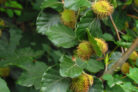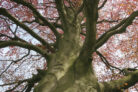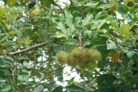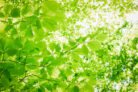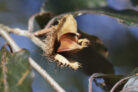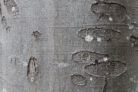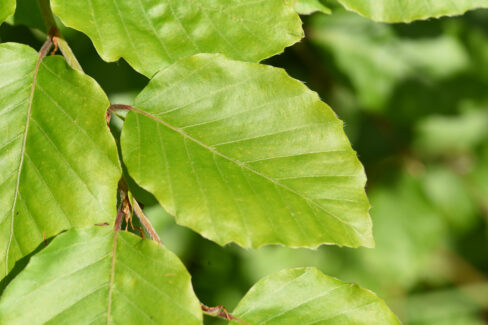
The European Beech (botanical name *Fagus sylvatica*) is a classic deciduous tree that belongs to the Fagaceae family. You’ll spot these beauties all over Central Europe—they’re incredibly versatile! Whether they’re standing tall in a park, lining a city street, acting as a privacy hedge, or serving as a majestic focal point in a backyard, they always make a statement.
Spring Awakening
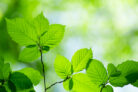
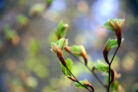
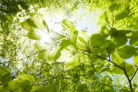
In early spring, the European Beech starts waking up and unfurling its delicate new leaves. At first, the tree wears a vibrant, lime-green coat. As the season rolls on, those leaves toughen up, turning a deep, dark green with a sturdy, leathery texture.
Getting to Know the Beech Leaf
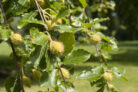
When they first emerge, beech leaves are quite soft and bright green with slightly toothed edges. If you’re trying to identify one, here’s what to look for:
- New growth usually kicks off in March.
- The leaves are egg-shaped to oval.
- Brand new leaves are actually “fuzzy”—they have tiny, soft white hairs along the edges.
- You’ll see very distinct veins branching out from the center rib.
- The edges have a gentle wave to them.
- They typically grow between 2 to 3 inches long.
- They range from 1 to 3 inches wide.
- The leaves grow in an alternating pattern along the branch.
- They put on a spectacular show in the fall with orange-red colors.
- Even after they dry out, the leaves often cling to the branches until the new buds push them off in the spring.
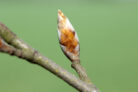
Despite the name “European Red Beech” (as it’s often called in Europe), the leaves are actually green most of the year! They only turn that signature orange-red in the fall before drying into a coppery brown. The “Red” in the name actually refers to the slightly reddish tint of the wood. You’ll also notice a reddish hue on their buds and very young shoots.
Beech Leaves in the Winter
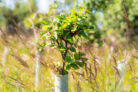
European Beeches are deciduous, but they have a quirky habit: they don’t drop all their leaves in the fall. This makes them stand out from most other broadleaf trees. It’s especially noticeable on beech hedges, which stay covered in brown leaves all winter long, providing great year-round privacy. You’ll see this on young saplings, too. Once the new growth starts in spring, the old leaves finally fall off. By then, they’re paper-thin and crumble easily between your fingers. Pro tip: Leave that fallen foliage on the ground! As the leaves decompose, they return vital nutrients to the soil that the tree needs for its spring growth spurt.
When Leaves Look “Off”
If your beech leaves start looking a little funky or lose their typical shape, it might be a sign of trouble. If the leaves are turning pale or yellowish, the tree might be suffering from an iron deficiency—an iron-rich fertilizer usually does the trick. However, if the leaves are curling up or wilting way too early, you might be dealing with a fungus or certain pests. If you notice anything suspicious on your garden beech, give the leaves a close look. It’s best to prune away any affected branches and toss them in the trash (not the compost!) to keep the rest of the tree healthy.