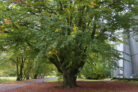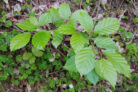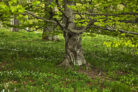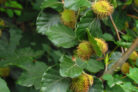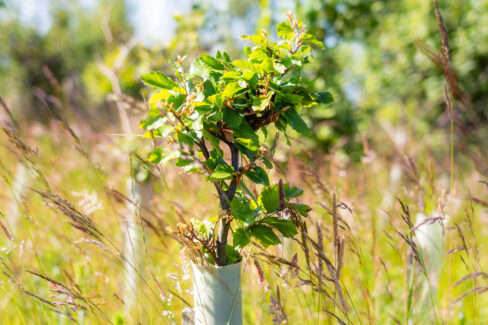
European Beeches (Rotbuchen) are classic native deciduous trees that look just as stunning in a backyard as they do in a vast forest or local park. While these trees are famously hardy and low-maintenance, getting the location right is the secret to helping them truly thrive.
The Best Spot for Your Beech Tree
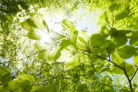
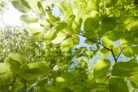
Beeches generally love a spot that is bright but offers some shade, though they’re versatile enough to handle full sun or partial shade. That “dappled sunlight” vibe is usually their favorite. One thing to keep in mind: the bark on a beech tree is actually quite sensitive to direct, harsh sunlight. If you’re planting one as a standalone specimen in your yard, it’s a good idea to let the lower branches grow out to shade the trunk, or put in some taller underplantings to keep the base cool.
Soil Requirements
When it comes to soil, beeches aren’t too picky, but they do best in nutrient-rich, slightly loamy soil that drains well. The biggest “no-no” for a beech tree is standing water. If your yard tends to get swampy after a rain, you’ll definitely want to install some drainage before planting to prevent root rot.
Care and Feeding
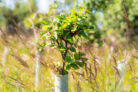
One of the best things about the European Beech is how little work it requires. If you’re growing them as a hedge, you’ll just need to give them a shape-up prune in the spring. New hedges also need regular watering while they’re getting established. To give your trees a little boost, you can apply a balanced fertilizer in the spring to encourage lush growth.
The “Happy Place” Checklist for Your Beech
To make sure your tree is living its best life, try to check these boxes:
- A sunny to partially shaded location.
- If you have a Copper Beech (the purple variety), give it more sun—the leaves get much more vibrant!
- Well-draining soil is a must.
- Avoid “wet feet” (standing water); use drainage if necessary.
- Nutrient-rich soil that stays consistently moist but not soaked.
- Mix in some compost or organic matter like horn meal every now and then.
- Avoid overly sandy or chalky soils; a loamy texture is much better.
- Slightly acidic soil is fine.
- If the soil is *too* acidic, you might need to add a little lime (if you aren’t sure, a quick soil test kit is a lifesaver).
- Try to avoid spots with constant, harsh drafts or wind tunnels.
- They love a warm, temperate climate.
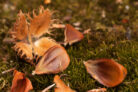
Choosing the right spot is especially important in a residential garden because these beauties grow faster than you might think! You can expect about 15 to 20 inches of height growth per year, with the canopy spreading about 15 inches wider annually. In the perfect spot, a European Beech can reach heights of up to 150 feet and live for well over a century. Just be patient for the “extras”—they usually bloom for the first time around age 30, and you won’t see those iconic beechnuts for another 10 to 20 years after 그!