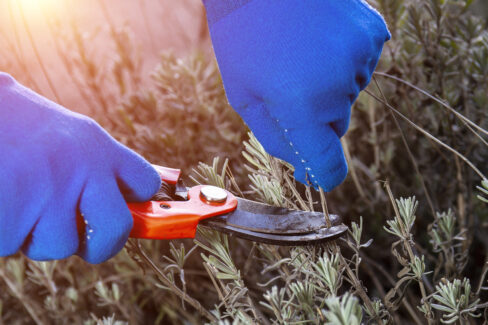
Once your lavender has finished blooming, it’s time to decide on your next move. If you’re hoping to collect seeds, you’ll want to leave those faded flowers right where they are. However, for most of us, a good pruning is the way to go. Trimming it back really helps the plant stay healthy and encourages fresh growth.
When to Prune After Flowering
As soon as your lavender starts to fade, it’s time to grab your shears. Pruning right after the blooms wither does two great things for the plant. First, it boosts natural growth and prevents the plant from wasting its energy on dead flowers. Second, it gives your lavender plenty of time to toughen up and get ready for the winter chill.
Now, if you’re planning on harvesting seeds, hold off on the haircut! The seeds develop right where the old flowers were, so cutting them off means no seeds for you. But generally speaking, pruning is the better choice for the plant’s health. In fact, if you’re lucky and prune early enough after the first flush, you might even get a second round of blooms!
How to Give Your Lavender the Perfect Trim
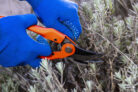
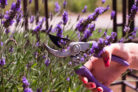
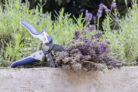
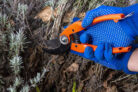
When you’re ready to prune, aim to cut the stems back by about a third. The golden rule here: don’t cut into the woody part of the plant. Lavender won’t grow new shoots from that old, hard wood, so keep your snips in the green, flexible growth. Make sure your cuts are clean and your tools are sharp.
Here are the best tools for the job:
- Pruning shears (secateurs)
- A harvesting sickle
- Standard garden scissors
If you’re looking to harvest the lavender to use around the house, don’t wait for it to fade! The best time to cut the stems is when the buds are only about halfway open. That’s when the fragrance and oils are at their peak. You can find all sorts of uses for lavender, whether you’re cooking with it or using it to freshen up your bedroom or bathroom.