If you want to make sure your lavender stays gorgeous and keeps blooming year after year, you’ve got to get comfortable with “rejuvenation pruning.” It sounds fancy, but it’s really just about giving your plant a fresh start. Here’s the lowdown on how to do it right.
What Happens When Lavender Gets Older?
The secret to a shapely, vibrant lavender plant is an annual haircut. If you skip the pruning, those stems will start to turn woody. When that happens, the plant loses its lush look, starts thinning out, and begins to look a bit “leggy” or bare at the bottom.
In some cases, an old lavender bush can actually split apart in the middle, stopping new growth in its tracks. And no new growth means no flowers! These are classic signs that your lavender is showing its age. If you notice your plant looking a little tired like this, it’s time to step in.
How to Master the Rejuvenation Cut
You can actually stop that woodiness in its tracks with the right pruning technique. Ideally, you should prune regularly so these issues never even start. But if your lavender is already looking a bit rough, a rejuvenation cut is your best friend. Just remember the golden rule: don’t cut back into the old, hard wood.
Step-by-Step Pruning:
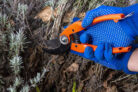
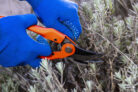
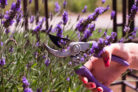
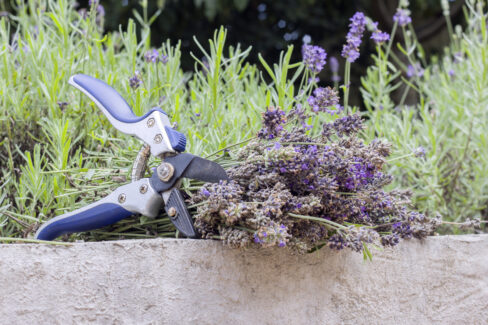
- Grab a pair of sharp, clean garden shears.
- Trim back the soft, green stems by about two-thirds.
- Again, make sure you stay above the woody parts of the plant.
- Snip off any dead or dried-out branches entirely.
- Give the bush a quick “shape-up” so it looks nice and rounded.
Timing is everything here. The best time for a major prune is in the spring, right before the new growth starts—just pick a day when there’s no frost in the forecast. You can also give it a second trim in the summer once the blooms have faded. Just make sure to put the shears away by mid-August. Your lavender needs plenty of time to toughen up before winter hits!