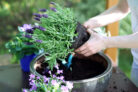
Mediterranean lavender is the perfect choice if you’re looking to grow your own lavender topiary. Of course, you can always pick one up at your local garden center, too! But to keep that beautiful “lollipop” shape and ensure a stunning bloom every year, you’ve got to know the right way to prune it.
How to Properly Prune Your Lavender Topiary
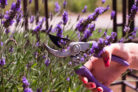
Pruning a lavender tree isn’t actually that different from pruning a regular lavender bush. On a well-maintained tree, you usually won’t see new growth popping out of the main trunk. That’s because the woody parts of lavender generally don’t sprout new shoots. The crown, however, definitely needs a regular haircut!
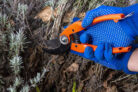
When you do your spring pruning, focus only on the soft, green growth. Go ahead and trim back about one-third to two-thirds of these stems. Your goal here is to shape the crown into a nice, tidy ball. If you see any stray branches growing at weird angles or getting too long, just snip them back to fit the shape. One golden rule: never cut back into the woody, old part of the stems. If you go too deep into the wood, the plant might not produce new flowers.
Here are the tools you’ll want to have handy:
- Standard garden shears
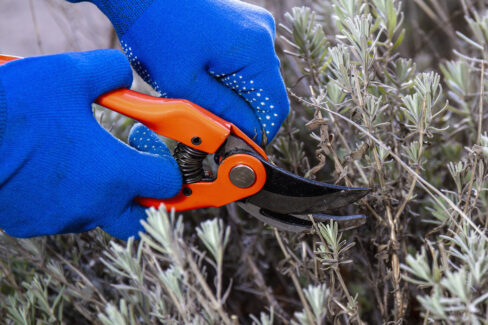
- Pruning shears (secateurs)
- A small hand sickle (if you prefer)
When to Give Your Lavender Tree a Trim
For the best results, you should prune your topiary twice a year. The first round happens in early spring. Pick a day when there’s no frost in the forecast, but make sure to get out there before the plant starts its first big growth spurt. Usually, the sweet spot is sometime between March and April. This timing allows the plant to use its spring energy to fill out its shape and grow those gorgeous purple blooms on fresh stems.
Once the lavender blooming season is over, it’s time for the second trim. You’ll want to do this post-bloom pruning in July or by mid-August at the latest. If you wait too long, the plant won’t have enough time to “harden off” before the cold weather hits. The stems need a little time to heal and mature before the first frost arrives.