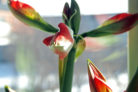
The Amaryllis (or *Hippeastrum*) follows a growth cycle rooted in its subtropical origins. This means it transitions from a sunny, warm-and-humid growing phase to a cool, dark period of rest. To get those stunning blooms year after year, you need to mimic its natural habitat. Here’s a quick guide on how to nail the right temperatures for every stage of your plant’s life.
During Bloom Time, Your Amaryllis Loves the Heat
If you want your Amaryllis to really show off, you’ve got to keep it cozy. Keeping an eye on the thermometer is the secret to a happy plant. Here’s the breakdown of the ideal temps:
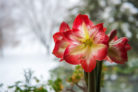
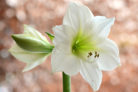
- During the blooming phase in the winter (December through February), aim for 68°F to 72°F. A sunny windowsill is usually the perfect spot.
- During the summer growing season (March through August), normal summer temperatures between 68°F and 82°F are ideal. Your plant will actually love spending this time outside on a balcony or patio.
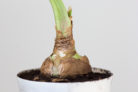
- During the fall dormancy phase (September through November), things need to cool down to about 50°F to 65°F. A dry, dark basement is often the best place for your plant to get its beauty sleep.
One major tip: Amaryllis plants are definitely not frost-hardy. If temperatures drop below 40°F, you risk losing the plant entirely. Only leave your Amaryllis outdoors once the weather is consistently warm.
With the Right Conditions, You Might Get Summer Blooms
Want a little summer surprise? You can move your plant out to the patio in May once the threat of frost has passed. To make sure your subtropical beauty doesn’t get a “sunburn,” give it about 10 days to acclimate. Start it off in a semi-shaded spot before moving it into the full sun. You can even plant it directly in a garden bed! If you keep up with your regular care routine, your Amaryllis might just reward you with a second round of blooms in the summer.
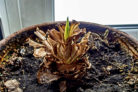
Don’t panic if the winter leaves start to wither—that’s totally normal. Just carefully trim back the yellowed foliage to make room for fresh, vibrant green growth. Keep watering and fertilizing regularly until the end of July. After that, start scaling back on the water and nutrients to prep the bulb for its fall nap.