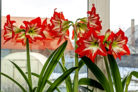
When it comes to watering, the Amaryllis (or Knight’s Star) can be a bit of a diva. If you’re too stingy with the water, she’ll start to look a little sad and weak. But if you overdo it? You’re looking at a one-way ticket to root rot. To keep your plant happy, you’ve got to adjust your watering schedule based on the season. Here’s my guide on how to get it just right all year long.
How to Keep Your Amaryllis Perfectly Hydrated
Unlike most of your other houseplants that want the same routine year-round, the Amaryllis needs a change of pace depending on what stage of life it’s in. Timing is everything!
Watering During the Bloom Phase
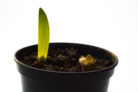
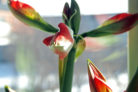
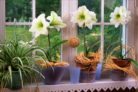
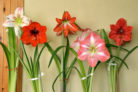
Most of us love the Amaryllis for those stunning winter blooms that brighten up December and January. Once the bulb comes out of its dormant “nap,” start things off with a single drink of lukewarm water. After that, hold off on watering again until you see the first green tips peeking out of the bulb. At that point, move your plant to a sunny, warm windowsill and start watering regularly, but keep it light. During the flowering stage, you want the soil to stay just barely moist—not soaked.
Watering During the Growth Phase
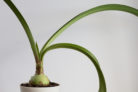
In the spring, the blooming season winds down and the growth phase kicks in. This is when the plant stops focusing on flowers and starts growing those long, green leaves. These leaves are basically solar panels—they use photosynthesis to store up energy so the bulb can bloom again next year. From March through July, you’ll want to water your Amaryllis generously and regularly. Just remember to adjust for the location! If you move your plant outside for the summer, it’s going to get thirsty much faster than it would sitting inside.
Watering During the Dormant Phase
By early August, it’s time for your Amaryllis to head back into its rest period. The green leaves will start to wither as the plant pulls all that energy back into the bulb. To help this process along, start cutting back on the water in late July. By the end of August, stop watering entirely. This is your cue to move the plant to a cool, dark spot to overwinter (or “oversummer,” depending on how you look at it!).
Watch Out for Standing Water
If there’s one thing an Amaryllis absolutely hates, it’s “wet feet.” If the bulb sits in soggy soil, it will rot, and usually, there’s no coming back from that.
To keep things safe, follow these two golden rules:
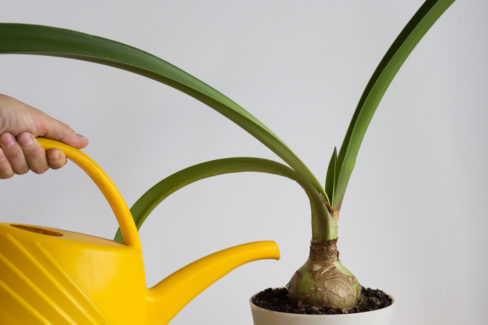
- Always pour your water into the saucer or the outer decorative pot rather than directly onto the bulb.
- About 15 minutes after watering, check the saucer. If there’s still water sitting there, pour it out!