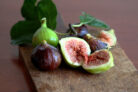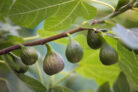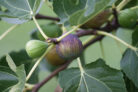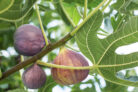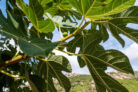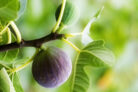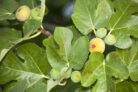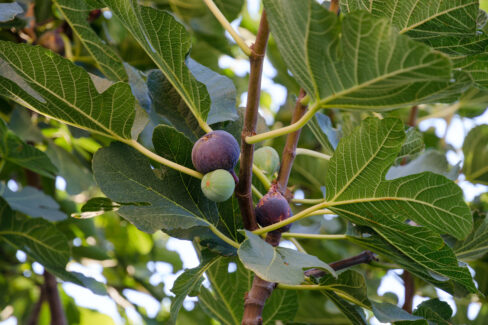
There are about 1,000 different species of figs worldwide, and some of these trees can grow to impressive heights of several yards. However, the varieties we usually grow in our gardens are a bit more compact, typically topping out at around ten feet.
Self-Pollinating Varieties for Cooler Climates
Growing figs for a big harvest can be a little tricky. Traditionally, figs have male and female flowers and need pollen from other trees to produce fruit. The pollination process itself is actually pretty wild—it requires a very specific type of tiny wasp that specializes in figs.
Since figs originate from warmer climates, that’s where you’ll find the fig wasp. But don’t worry! You can still grow figs in cooler regions. While young trees need a little extra winter protection for the first few years, established trees in many areas can eventually handle the cold on their own. The secret to success here is choosing a “self-fruiting” (parthenocarpic) variety. These don’t need a pollinator to produce delicious fruit, which is perfect since our local bugs aren’t up for the job.
Managing That Sprawling Canopy
A healthy fig tree can live to be 90 years old and loves to develop a wide, sprawling canopy. One thing to keep in mind: fruit usually forms on wood that is two or more years old. Because of this, it’s a smart move to regularly pinch back new growth. This encourages the tree to grow more side branches, giving it plenty of spots to set flowers and fruit.
Bonus tip: Don’t toss those clippings! You can use the tips you cut off to grow new cuttings. Figs are actually super easy to propagate. Just strip the lower leaves off your cuttings and pop them in a jar of water.
Once you see roots starting to form, you can pot them up. Just make sure to keep the soil moist while they’re getting established, but be careful not to let them sit in soggy, waterlogged dirt.
Regular Pruning is Key
If you’re growing your fig in a pot, you’ll notice pretty quickly that they love to outgrow their space. Regular pruning—beyond just pinching the tips—will help keep your tree at a manageable size. Just try to avoid heavy “hard pruning” into the old wood, as that can cut down on your harvest for the next season.
Instead, aim for a light thinning in the spring by cutting back just a few branches. And remember, those branches are perfect if you want to propagate even more figs!
Figs are generally very forgiving when it comes to pruning, so you can train them into specific shapes over time. You’ll just have to find the right balance between how much fruit you want and how much space you have. A “standard” (tree-like) shape saves space but yields a smaller crop, while a bushier shape takes up more room but will give you a much bigger harvest.