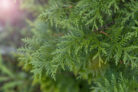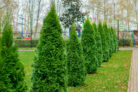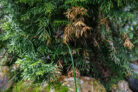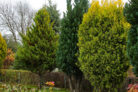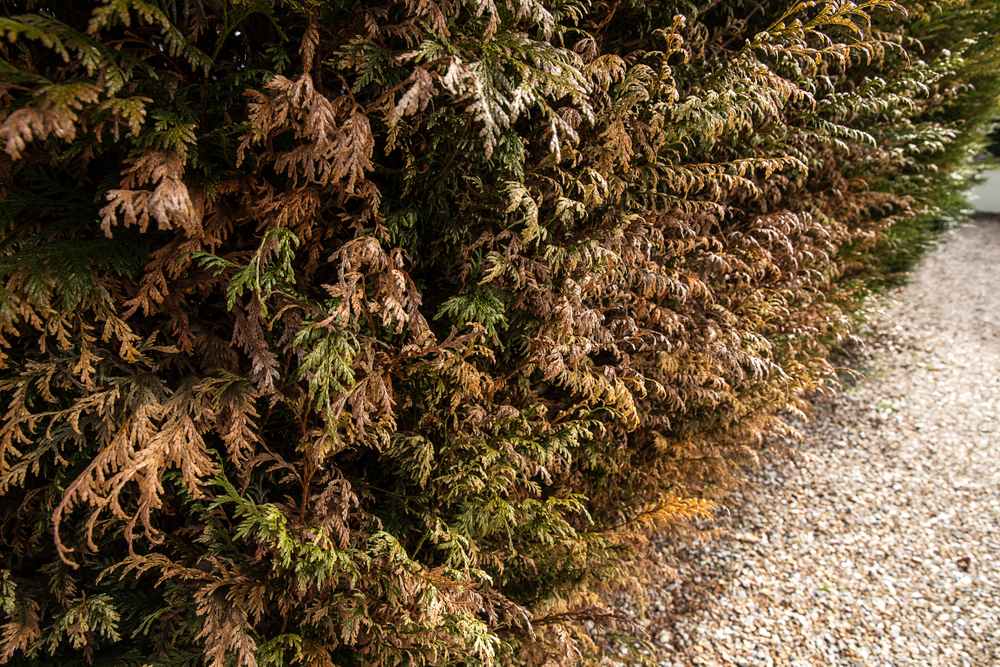
Arborvitae—or Thuja, as many of us green thumbs call them—are generally known for being tough-as-nails and winter-hardy. They aren’t usually drama queens when it comes to pests and diseases, but every once in a while, they can run into some trouble.
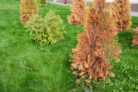
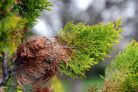
Now, if you see brown needles, don’t panic just yet! It’s not always a sign of a scary disease. Sometimes it’s just a bit of sunburn, or maybe your Thuja is just thirsty. Poor maintenance or overly acidic soil can also cause that unsightly browning. That said, some varieties are a bit more sensitive to fungi, and a few specific pests do love to make a home in these evergreens.
Spotting the Signs of Fungal Disease
There are a few different types of fungi that can crash your garden party, and they each show up a little differently. If you catch them early, you can usually save the plant. If you wait too long, though, you might have to pull the whole thing out and start over. Just a heads-up: fungi absolutely love acidic soil, so keep an eye on your pH levels!
Symptoms to Watch For:
- Brown tips on the needles
- Brown foliage with black spotting
- Root rot
- A white, web-like fungal growth (mycelium) under the bark
Which Fungi Love Arborvitae?
First up is *Pestalotiopsis funerea*. This one is a bit of a bully—it usually picks on plants that are already stressed or weakened. It starts by turning the very tips of the needles brown, and then it works its way down to the shoots, leaving dark, blackish-brown spots behind. Your best bet here? Grab your shears and give it a heavy pruning.
If you notice distinct black spots on brown needles, you might be dealing with *Kabatina thujae*. The good news is that there’s usually a very sharp line between the healthy green and the sick brown, which makes it easy to see exactly where you need to prune. This fungus mostly goes after the young, tender new growth. On the scarier side, if you peel back a bit of bark and see a white, fan-like fungal growth, you’re likely looking at *Armillaria mellea* (Honey Fungus). Unfortunately, once this takes hold, the plant usually won’t make it.
What Exactly is Root Rot?
As the name suggests, root rot happens underground at the roots. It’s usually caused by soil that’s too heavy and stays soaking wet (nobody likes “wet feet”!). Often, a fungus is the culprit. If it’s a bad case, you’ll have to toss the plant. But if you catch it early, you can try to save it by trimming away any mushy, rotted roots and repotting or replanting it in fresh, spore-free soil.
Dealing with Acidic Soil
If you suspect your soil is too acidic for your Thuja, a quick soil test will give you the answer. If the pH is too low, adding some garden lime or a lime-based fertilizer can help balance things out. Mixing in some compost is also a great move—it boosts the organic matter and helps stabilize the pH naturally. You don’t even need a pro lab; a simple pH test kit from your local garden center works just fine!
Pro Tips for Preventing Fungal Issues:
- Keep the soil pH balanced (not too acidic)
- Avoid standing water or “wet feet”
- Water deeply but only when needed
- Use the right fertilizer for the job
- Give your plants a “check-up” regularly
Quick Tip: If you have a Thuja hedge and one plant starts looking sick, jump on it fast! These issues can spread, and you don’t want to lose your entire privacy screen to a preventable problem.