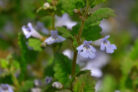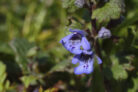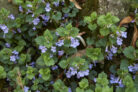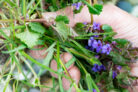
Ground ivy—or “Creeping Charlie” as many of us know it—is one of those wild herbs you’ll spot just about everywhere once you start looking. While some folks see it as a nuisance, it’s actually a fantastic addition to any home garden. Honestly, it’s a total waste to just pull it up and toss it! This little plant is a powerhouse with something for everyone.
Three Great Ways to Use Ground Ivy
Ground ivy is incredibly versatile. Depending on what you’re looking for, you can use it as:
- A bold, savory herb for your favorite recipes
- A medicinal herb packed with healing properties
- A decorative, flowering groundcover for those tricky spots
Cooking with Ground Ivy
Good news: ground ivy is completely edible! You can start harvesting the leaves in early spring. They have a bold, aromatic flavor—think earthy with a hint of mint. Since they’re loaded with Vitamin C, they make a great nutritional boost for wild herb salads. Whether you use them fresh or dried, they work beautifully in any dish where you’d normally reach for mint or thyme.
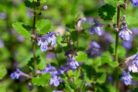
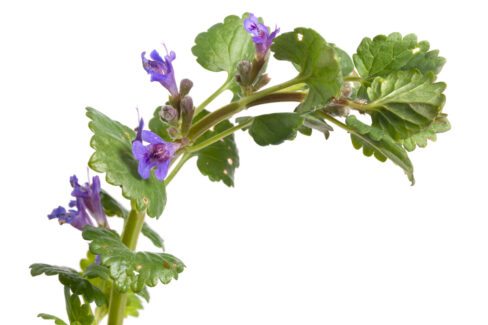
You can pick the leaves all year round, but keep an eye out during its blooming season. The plant produces tons of tiny purple flowers that are not only edible but look adorable as a garnish. Plus, they have a lovely, slightly sweet taste.
The Healing Power of Ground Ivy
Ground ivy is rich in essential oils that work wonders on inflammation—even the famous herbalist Hildegard von Bingen swore by it centuries ago. In fact, its German name, *Gundermann*, comes from an old word for “pus,” referring to its traditional use in drawing out infections. Crushing the leaves and applying them to stubborn wounds can help speed up healing, and adding it to your bathwater is a great way to soothe your skin.
If you want to dive deeper into herbal remedies, you can whip up your own teas and tinctures. The bitter compounds and tannins in the plant are great for stimulating the appetite and kicking your metabolism into gear. It’s also a go-to for knocking out stubborn colds or internal inflammation.
Quick Tip:
There are a few look-alikes out there in the wild. Check out our plant profile to make sure you’ve got the right one and avoid any botanical mix-ups.
A Carpet of Flowers for Shady Spots
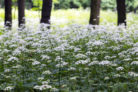
Scientifically known as *Glechoma hederacea*, ground ivy puts on a show for weeks with its countless tubular blossoms. Because it has a creeping growth habit, it’s perfect for filling in bare spots in your garden in record time. Many gardeners love it because it thrives in those difficult, shady areas where other plants struggle. Just a heads-up, though: it’s an enthusiastic grower! If you don’t keep an eye on it, it can quickly turn into a weed that’s a bit tough to get rid of.