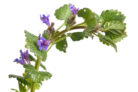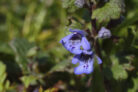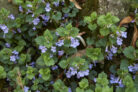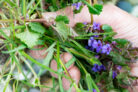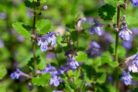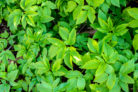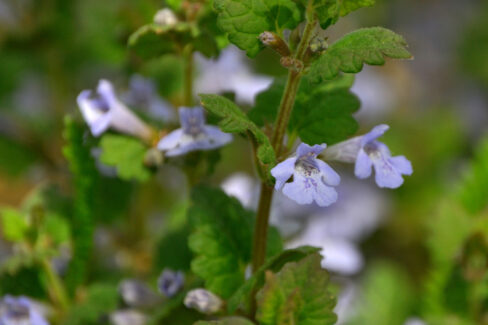
Most people walk right past Ground Ivy without giving it a second thought. But this common little wild herb—also known as Creeping Charlie or Gill-over-the-ground—is actually packed with good stuff. Whether you’re looking for a natural remedy or just some fresh, edible greens, this plant is a hidden gem in your backyard.
Ground Ivy: Healthy and Flavorful
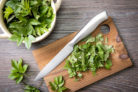
Ground Ivy is a fantastic way to boost your Vitamin C intake, but the real reason to try it is the flavor. The leaves have a unique, aromatic-bitter profile with just a hint of mint and licorice. They work beautifully in a mixed wild herb salad, and they’re a popular addition to egg dishes, herb butter, or mixed into quark and cream cheese spreads.
If you chop it up finely, you can use small amounts of Ground Ivy as a seasoning in any dish where you’d normally use mint or thyme. If you’re using dried leaves, feel free to let them simmer with your food. However, if you’re using fresh leaves, it’s best to sprinkle them over the finished dish right before serving to keep that bright flavor intact.
Don’t forget the flowers! The sweet-tasting, purple tubular blossoms are totally edible and make a gorgeous garnish for any plate.
Boost Your Metabolism with Ground Ivy Tea
The tannins and bitter compounds found in this wild herb are great for getting your metabolism moving. To make a quick tea, take about one tablespoon of chopped fresh or dried leaves and steep them in boiling water. Let it sit for 5 to 10 minutes, strain it, and you’ve got yourself a healthy, aromatic brew.
When and Where to Harvest
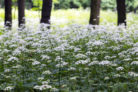
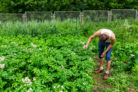
The best time to harvest Ground Ivy is during its blooming season, which usually runs from April through July. That said, you can still pick the leaves even after the flowers fade. You’ll find it creeping through meadows and along the edges of forests.
When you’re foraging for the kitchen or your medicine cabinet, make sure to pick plants away from busy roads to avoid any pollution or runoff. You can harvest the entire runner, including the stems, leaves, and flowers.
Don’t Get It Mixed Up!
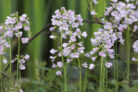
Before you head out, it’s important to know your plants. There are a few look-alikes out there, so it’s a good idea to check detailed photos to make sure you’re picking the right thing. You’ll want to make sure you don’t accidentally grab:
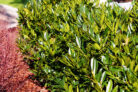
- English Ivy
- Self-heal (Little Bell)
- Bugleweed
- Red Dead-nettle
Quick Tip:
If you’re unsure, rub a few leaves between your fingers. If it’s Ground Ivy, it will release a very distinct, pungent, herbal scent. You can find more identifying features in our plant profile.
Growing Ground Ivy in Your Garden
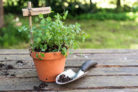
Ready to give it a try? You don’t have to go hiking to find it—Ground Ivy is incredibly easy to grow at home, even in those tricky shady spots. Just a word of warning: it’s a vigorous grower! It’s best to hem it in with pavers or garden edging so it doesn’t take over your entire lawn. If you don’t set boundaries, it can quickly turn from a helpful herb into a stubborn weed that’s hard to get rid of. Keep it contained, and you’ll have a fresh supply right at your doorstep!