Tons of grasses, perennials, and shrubs handle freezing temperatures like total pros and don’t need any extra winter protection. We’re highlighting nine of the most popular cold-hardy plants for your garden, plus we’ve got a little “insider tip” for you at the end.
[[pflanzen]]
++Maiden Grass (Miscanthus)
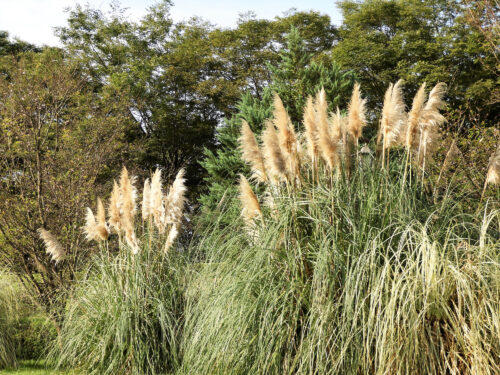
With its slender, deep green or variegated leaves and those shimmering silvery flower plumes, Maiden Grass is easily one of the most stunning ornamental grasses out there. Depending on the variety, it can tower up to 13 feet or stay a compact 15 inches. It looks especially magical when hoarfrost coats the seed heads, so hold off on pruning until late winter or early spring. No need to tie the stalks together, because these grasses can handle temperatures well below -5°F without any extra help.
++Hostas (Hosta)
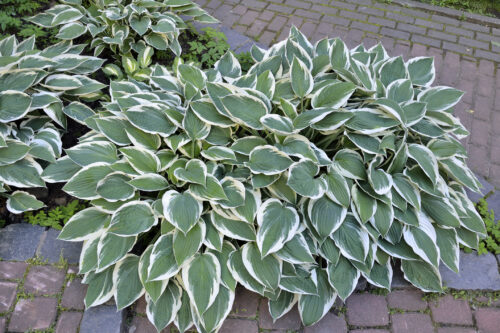
These fully hardy perennials are the MVPs of the shade garden, thanks to their bold leaf shapes and striking veins. They bloom from June to July, producing lovely white to pale lavender bell-shaped flowers. Hostas originally hail from the forested regions of Japan where it gets plenty cold, so most varieties are perfectly happy even when it hits -15°F. Pro tip: leave the fallen foliage on the plant over winter—it acts as a natural mulch to protect the crown.
++Stonecrop (Sedum)
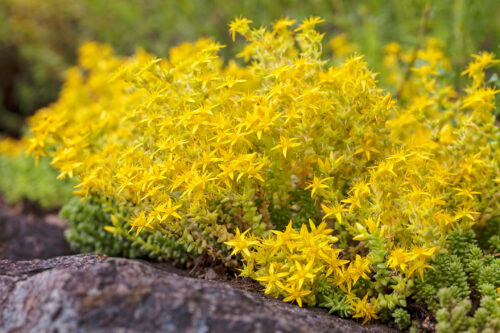
With over 420 species, Sedum is the heavyweight champion of the succulent world. You’ll find upright varieties (often called “Fat Hens” in Europe) and low-growing, carpet-like types that are perfect for rock gardens or green roofs. Almost all Sedum varieties are incredibly low-maintenance and can withstand temperatures down to -5°F. Once they’re established in a spot they like, they pretty much take care of themselves.
++Garden Phlox (Phlox)
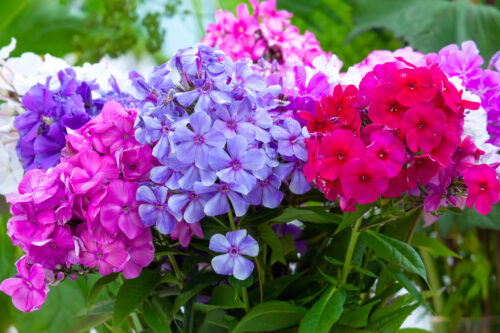
This genus includes both annuals and perennials, but the herbaceous perennial types are the real frost-resistant stars that handle North American winters with ease. Because they come in so many shapes and sizes, there’s a Phlox for every garden. You’ll see clusters of white, orange, pink, red, or blue flowers in domes or panicles. Some of the newer hybrids even feature “eyes”—centers with a bold, contrasting color that really pops.
++Lady’s Mantle (Alchemilla)
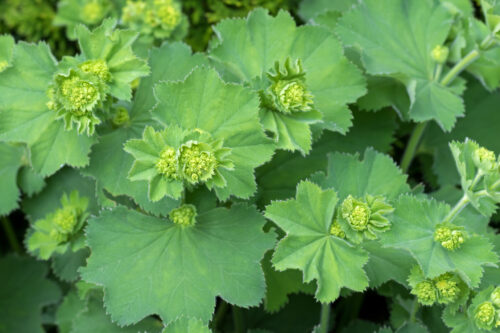
Lady’s Mantle is a favorite for many gardeners because it’s just so easygoing. This member of the rose family has fan-shaped, scalloped leaves that look incredible after a rainstorm—the water beads up on the surface like tiny glistening pearls. It produces frothy clusters of chartreuse flowers at the tips of its stems. Lady’s Mantle is tough as nails and completely winter-hardy, bouncing back with fresh green growth every spring without any special winter protection.
++Magnolia (Magnolia)
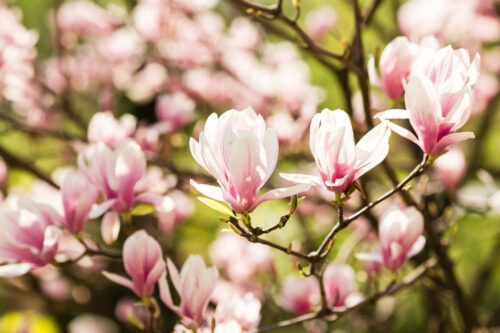
Believe it or not, most Magnolias aren’t actually that sensitive to frost. Deciduous varieties that drop their leaves in the fall are especially hardy. The white Star Magnolia, for example, can handle temperatures as low as -20°F. Even the popular Saucer Magnolias with their massive pink or purple blooms can take a dip to -15°F. However, if you live in a very cold climate, try to pick late-blooming varieties; the buds themselves are the most vulnerable part when a late spring frost hits.
++Snowdrops (Galanthus)