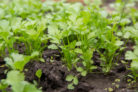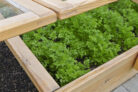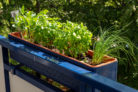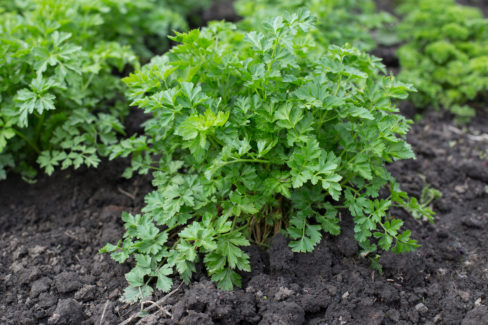
When it comes to watering, parsley is a bit like Goldilocks—it wants everything to be *just* right. It hates being parched, but it definitely doesn’t want to go for a swim, either. While your herbs might survive a little neglect or an accidental drowning in the short term, overwatering or underwatering will eventually lead to yellowing leaves and a plant that’s headed for the compost bin.
Parsley Loves Moist Soil
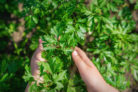
Generally speaking, parsley enjoys moisture, but only within a very specific range. You want the soil to stay consistently damp, but never soaking wet for long periods. Gardeners call that “wet feet” or standing water, and it’s a big no-no. You might think letting the soil dry out completely between waterings is the solution, but nope—parsley is a total diva about drought, too. In fact, both too much and too little water can cause parsley leaves to turn yellow.
To find that perfect balance, try these tips:
- Water more frequently.
- Use smaller amounts of water each time.
- Give it a little extra love (and water) on hot summer days.
How to Prevent Standing Water
Getting your watering routine down is only half the battle; you also need to make sure the roots can breathe. Since we can’t always predict exactly how much water the plant needs (especially if Mother Nature chips in with a rainstorm), drainage is key.
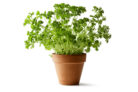
When sowing parsley, make sure the soil is loose and well-draining. If you have heavy, clay-like soil in your garden, you’ll definitely want to mix in some coarse sand to lighten it up. For parsley growing on a windowsill or the balcony, always use pots with large drainage holes. And don’t forget to empty those saucers or decorative outer pots shortly after watering so the plant isn’t sitting in a puddle!
Pro Tip:
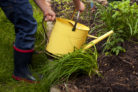
For potted plants, the “thumb test” is your best friend. Stick your finger about an inch or two into the soil; if it feels dry that deep down, it’s time to grab the watering can.
A Few More Rules for Watering Parsley
It’s not just about *how much* or *how often* you water—the *way* you do it matters for a healthy herb garden, too.
- Water Type: You can use rainwater or tap water. Unlike some finicky plants, parsley actually appreciates a little lime in its water.
- Temperature: Avoid ice-cold water straight from the tap. Room temperature or “lukewarm” is ideal.
- Keep it Dry: To lower the risk of powdery mildew and other fungal diseases, try to water at the base of the plant. Avoid getting the leaves wet.
- Be Gentle: Skip the high-pressure garden hose. A gentle pour is much better.
- Feeding: If you’re growing in pots, you can easily fertilize your parsley by adding a bit of liquid nutrients to your watering can.