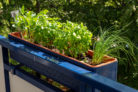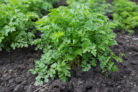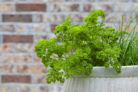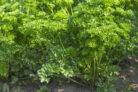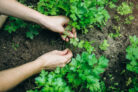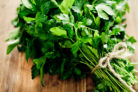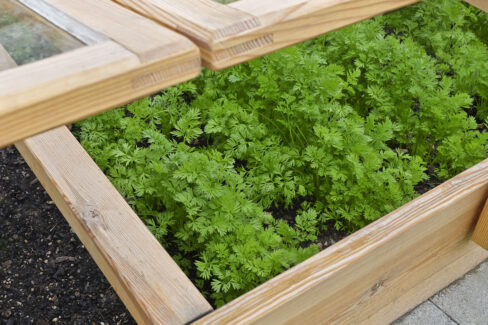
Every home cook knows that fresh flat-leaf or curly parsley is a total game-changer in the kitchen. That’s exactly why this herb is a must-have for every garden or sunny windowsill. Let’s be real: those little plastic clamshells from the grocery store wilt in five minutes and barely give you enough for one garnish. If you grow your own, you’ll have a steady supply of flavor all season long.
Buying or Harvesting Seeds
To get started, you’ll need viable seeds. Parsley seeds don’t stay fresh forever, so make sure yours aren’t more than three years old. You can pick up seed packets for just a few bucks at any garden center. Once you get your garden going, you can let a few of your second-year plants go to flower; by fall, you’ll be able to harvest your own seeds! Just let them dry indoors for a few days and store them in a cool, dry spot in a paper bag until you’re ready to plant.
Pro Tip:
Buy a few more seeds than you think you’ll need. Even under perfect conditions, parsley is notoriously picky about germinating, and not every seed will sprout.
Finding the Perfect Spot
Whether you’re planting in a garden bed, a balcony planter, or a pot on your windowsill, parsley loves a spot with partial shade. It likes plenty of light, but it’s best to avoid harsh, direct sunlight that can scorch the leaves. Your soil should be moisture-retentive but well-draining—nobody likes soggy roots! It also needs to be nutrient-rich and slightly alkaline. Feel free to mix in some mature compost, a bit of sand, or a pinch of lime if your soil needs a boost. One more thing: parsley is a bit of a “loner.” Don’t plant it in a spot where other members of the carrot family (like carrots, celery, or dill) have grown in the last four years.
Sowing in Spring or Summer
You can start sowing your parsley indoors as early as February. If you’re planting directly in the garden, wait until March when the soil temperature hits at least 45°F (8°C). Your first planting window stays open until mid-May, but you can also do a second planting in August for a late-season harvest.
- Loosen the soil and clear out any weeds.
- Soak your seeds in warm water for a few hours before planting to help them wake up.
- Mix the seeds with a little sand or even radish seeds (which sprout fast and act as row markers) to make sowing easier.
- Plant in rows about 6 inches apart or scatter them across a patch.
- Cover with about half an inch of soil and keep the area consistently moist.
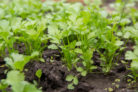
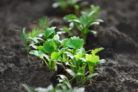
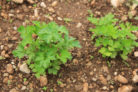
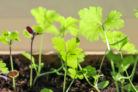
- Once the seedlings are about 2 inches tall, thin them out so they have 4 inches of space each.
Care and Harvesting
If you started with nutrient-rich soil, you won’t need to fertilize your garden parsley at all during the first year. In the second year, give it a little compost snack in the spring. Water your plants whenever the top inch or two of soil feels dry. If you’re growing parsley in pots, they’ll appreciate a dose of organic liquid fertilizer once a month.
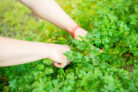
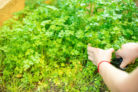
When it’s time to harvest, always take the whole stem, working from the outside of the plant toward the middle. Make sure to leave the “heart” (the center) of the plant intact so it can keep producing new growth. Just a heads-up: parsley is a biennial. In its second year, it will eventually bolt and flower. Once it flowers, the plant produces apiol, which makes it toxic to eat. At that point, pull the plants out and start fresh. If you sow a new batch every year, you’ll never run out!