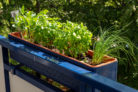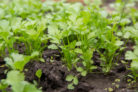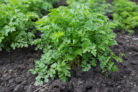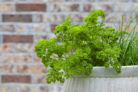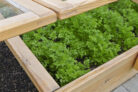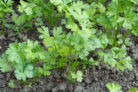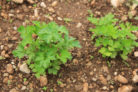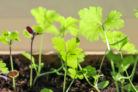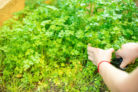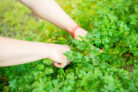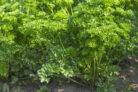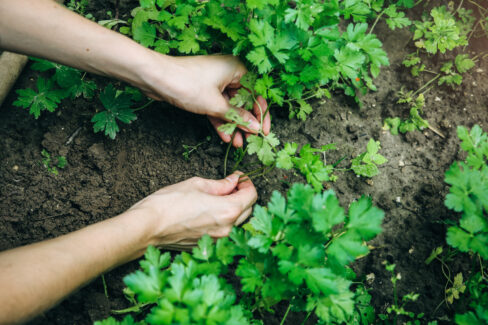
Let’s be honest: parsley can be a total diva if things aren’t exactly to its liking. Instead of giving you a lush, green harvest, it might just sprout a few sad, stunted stems or give up on life entirely. There’s a frustratingly long list of things that can stunt its growth, but the good news is that most of them are totally avoidable if you know what to look for.
Common Growth Killers
- The wrong location
- Depleted soil
- Waterlogging (soggy feet!)
- Soil-borne fungi and pests
Finding the Perfect Spot
Believe it or not, parsley doesn’t always play well with others in a standard herb bed. Most herbs crave full sun, but parsley is a bit more modest. On the flip side, it doesn’t want to be stuck in the dark, either. Your best bet is a bright, partially shaded spot. It loves the gentle morning and evening sun, but that harsh midday heat is a no-go—it’ll stunt the growth and cause those annoying white spots on the leaves.
Pro tip: Don’t plant parsley in the same spot where it (or its cousins like carrots and cilantro) grew in the last three years. To play it safe, I always recommend sowing extra seeds in a few different spots to guarantee a good harvest.
Quick Tip:
You can definitely grow parsley indoors on a bright windowsill. Just steer clear of south- or west-facing windows, and don’t let the leaves touch the glass—the “magnifying glass effect” from the sun can actually scorch them.
Feed Your Soil
Parsley is a hungry plant! Before you sow or transplant it, make sure to prep the soil with some well-aged compost or horn meal. You’ll want to fertilize occasionally with an organic fertilizer, but make sure it’s well-rotted—fresh manure is way too intense for these delicate roots.
Avoid Soggy Roots
Parsley hates standing in water. You want loose, well-draining soil so rain and irrigation can flow through easily. You can mix in a little sand to help with drainage, but don’t go overboard! If the soil gets too sandy, it’ll dry out too fast, which parsley also hates. The sweet spot is watering more often but with smaller amounts. Let the surface of the soil dry out slightly between waterings. If you’re growing it in a pot on the balcony or windowsill, make sure it has plenty of drainage holes and never let it sit in a saucer full of water.
Dealing with Soil Pests and Fungi
The tricky thing about soil-borne fungi and root aphids is that you can’t see them until the damage is done. The best defense is a good offense: stick to a solid crop rotation and never put diseased plants in your compost pile. If your parsley stops growing and starts showing white spots or fuzzy coatings due to fungus, the best thing to do is pull it out and start fresh in a new spot.