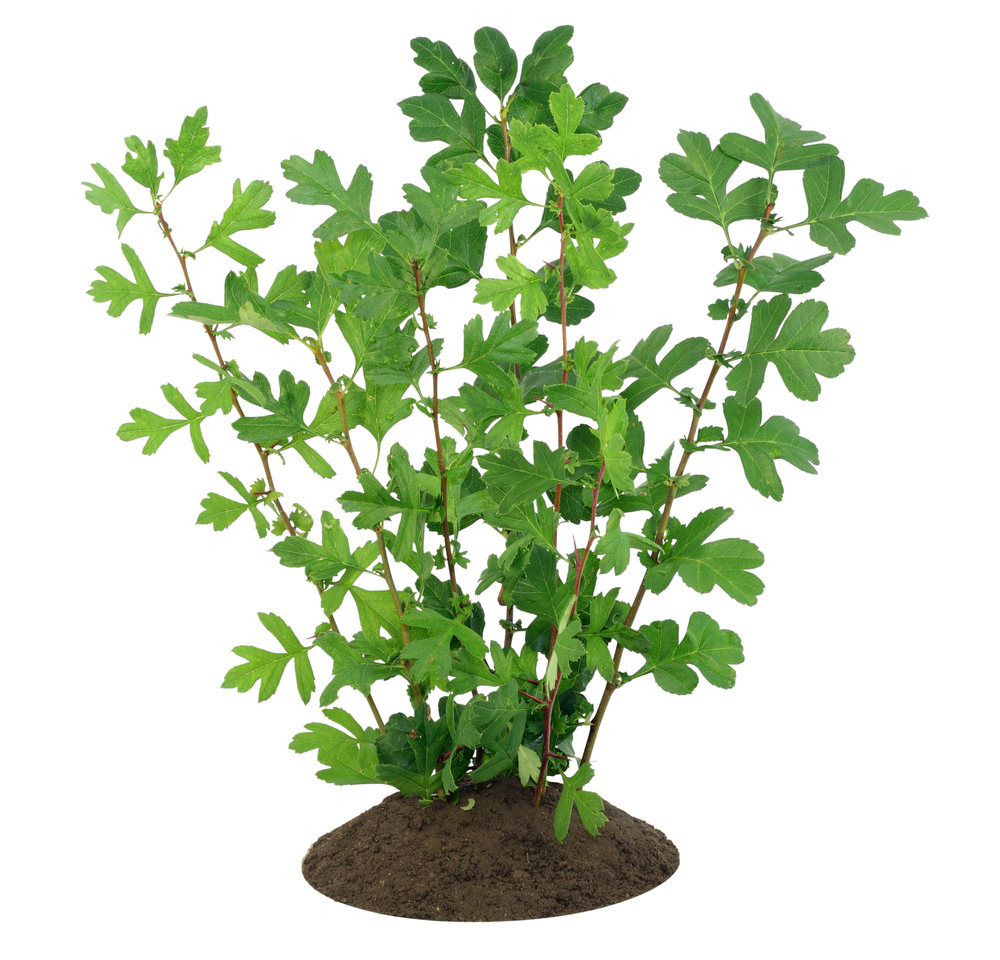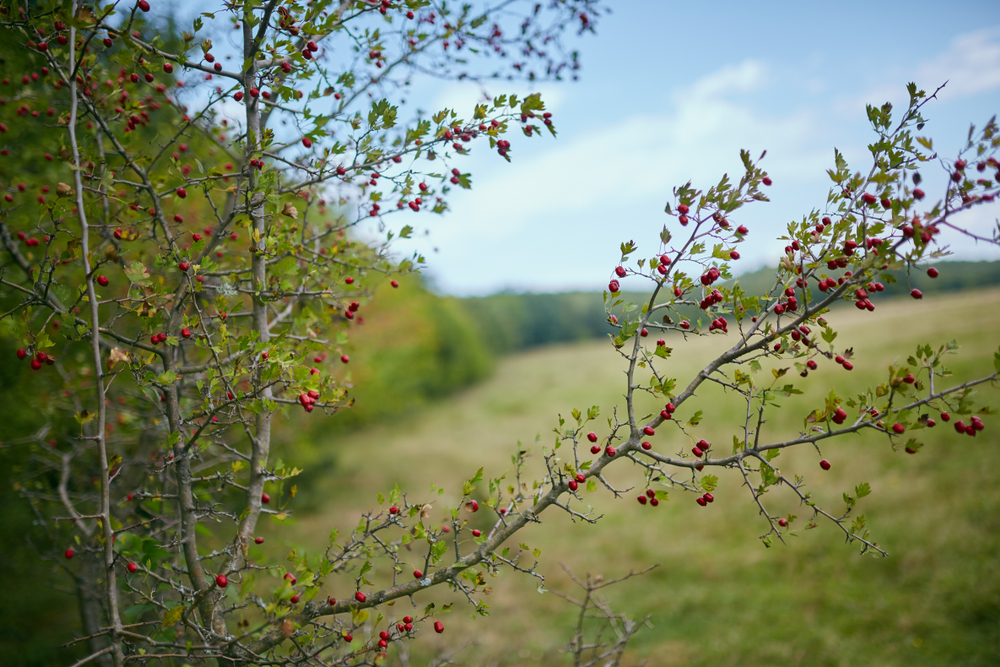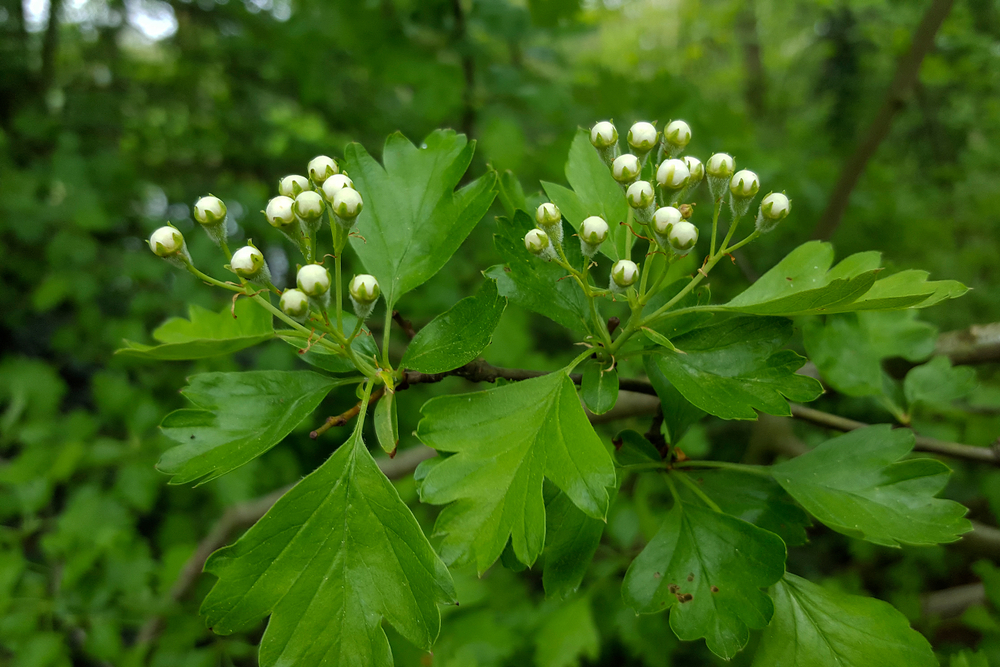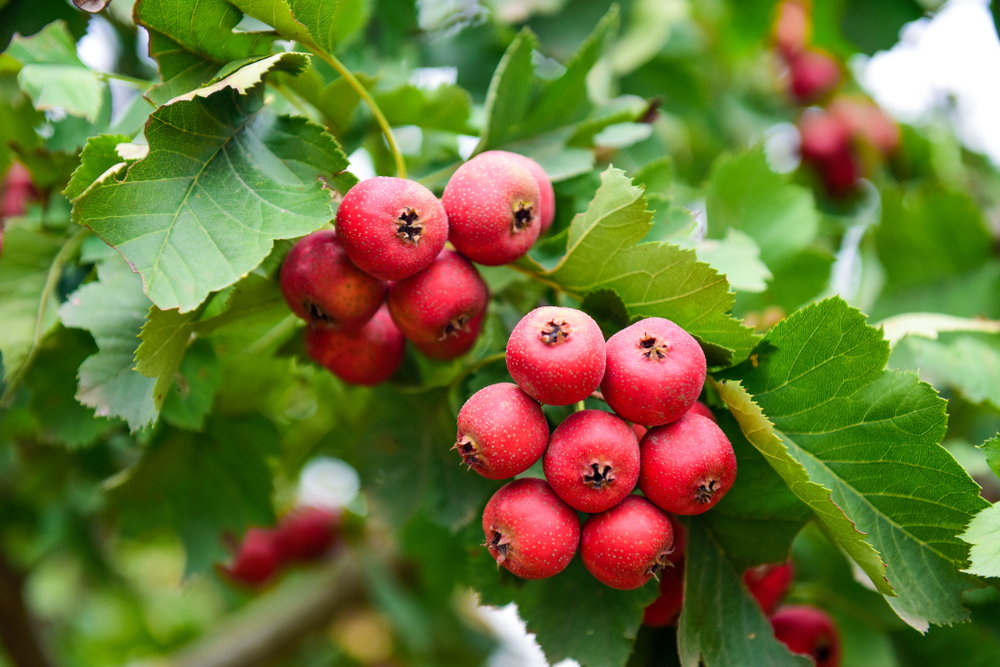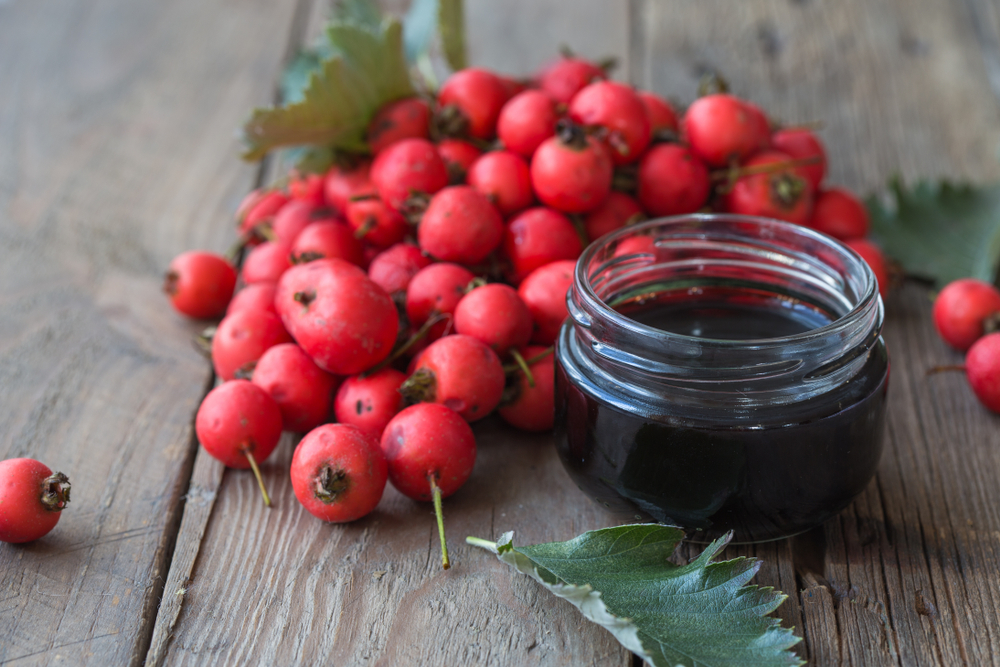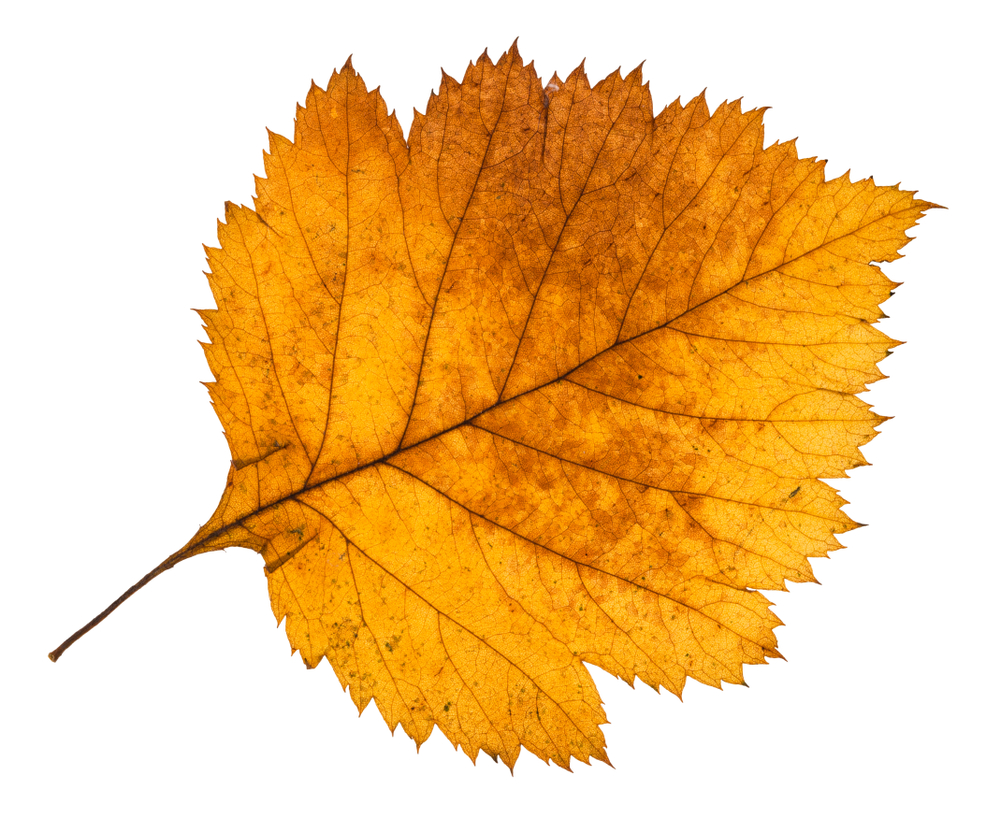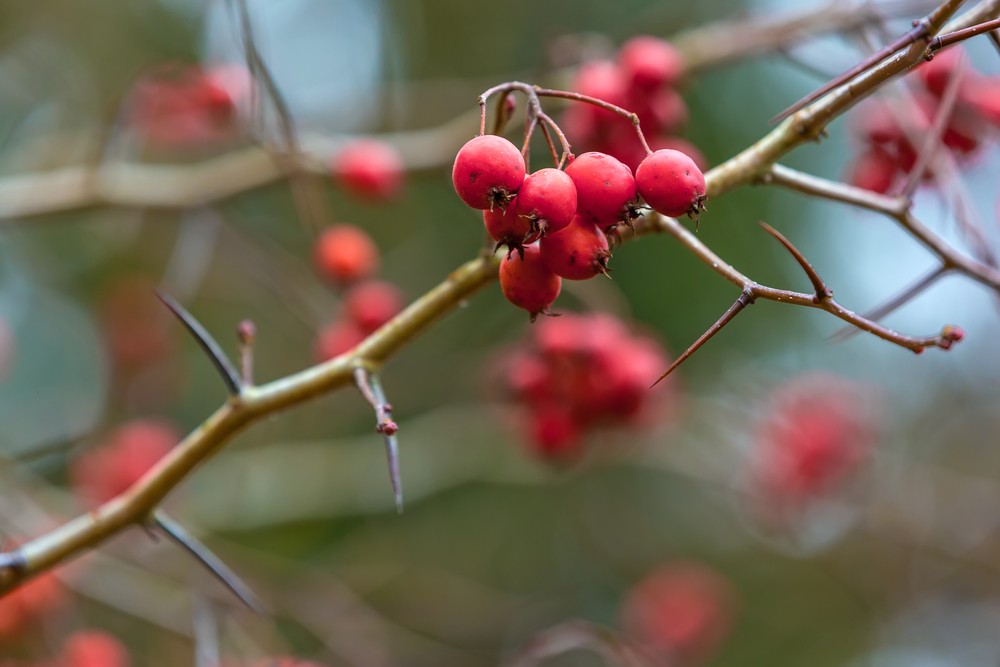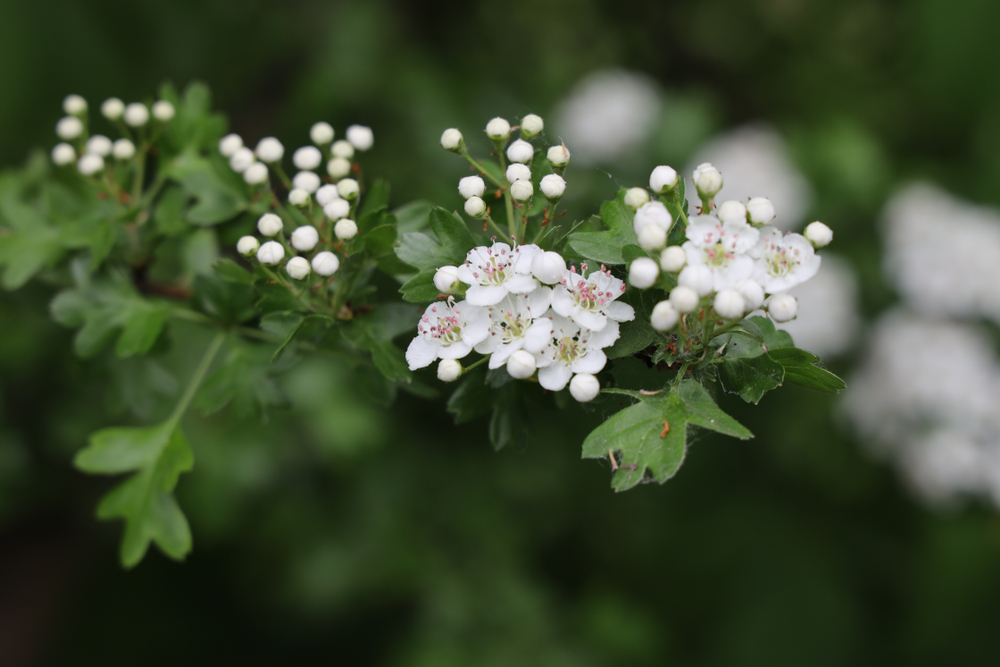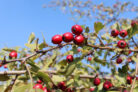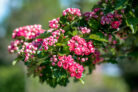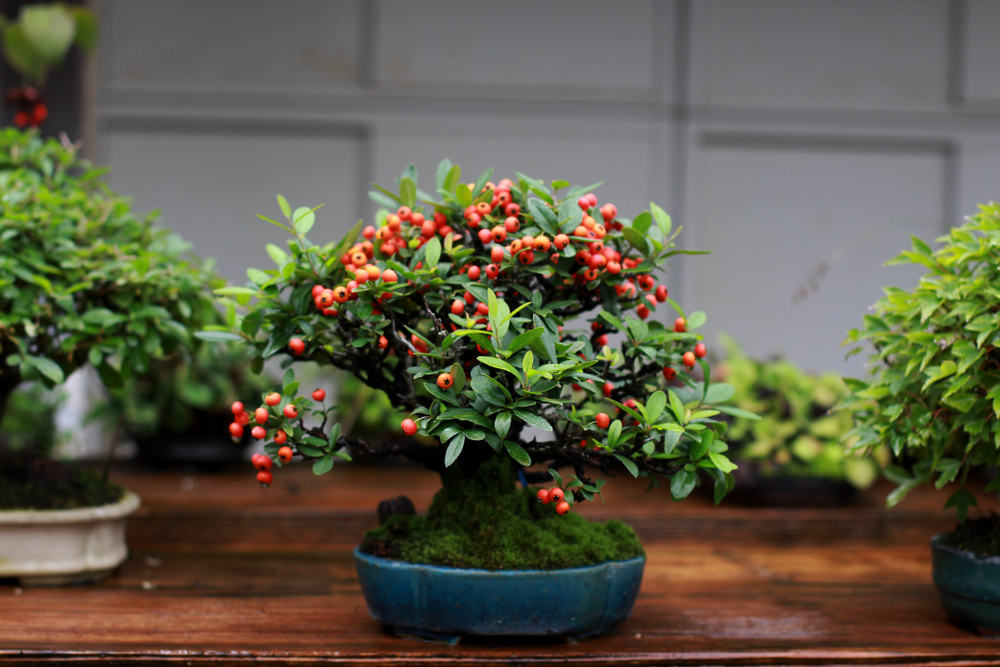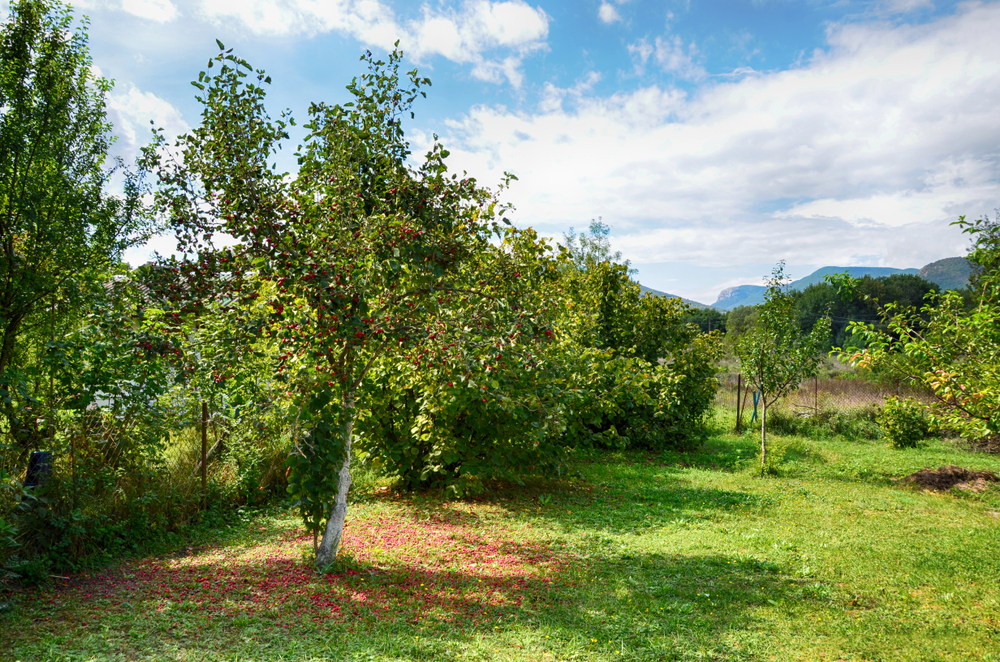
Hawthorns are a favorite for many gardeners, especially if you’re looking to create a natural, wildlife-friendly vibe in your backyard. They aren’t just easy on the eyes; they also have a lovely fragrance that acts like a magnet for pollinators. By late summer, these shrubs show off small, bright red berries that look a lot like tiny apples.
Growth Habit and Height
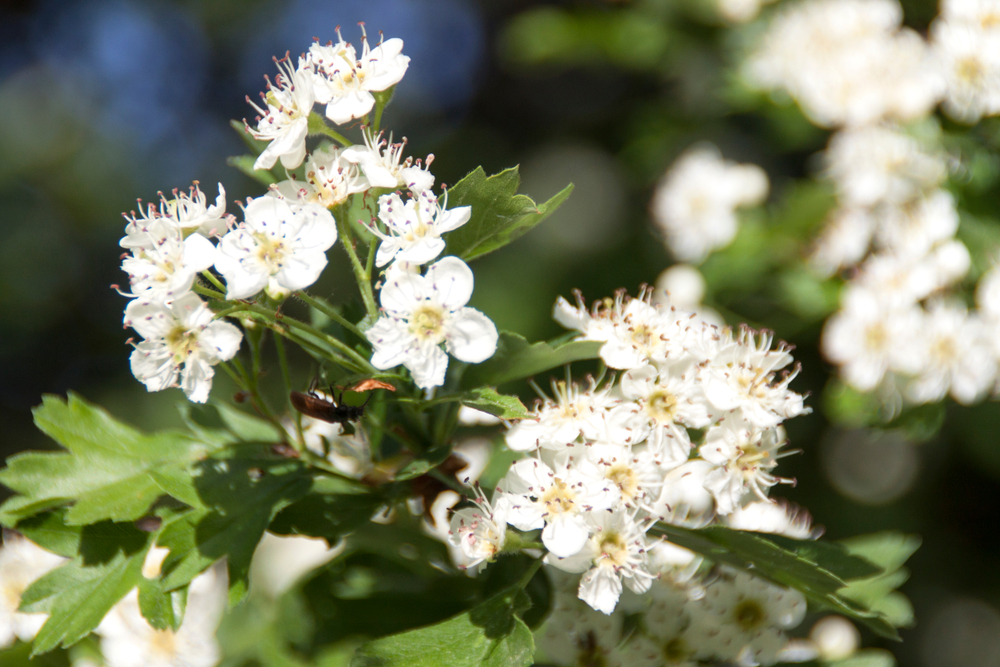
Depending on the variety, a Hawthorn can reach several feet in height. You can dive deeper into the different native Hawthorn species here. These plants typically grow as dense shrubs or hedges with plenty of intricate branching. From April to May, they burst into clusters of blossoms that fill the air with a wonderful, sweet scent.
From August through September, those iconic bright red berries begin to appear. They tend to stick around for quite a while and can even stay on the branches throughout the winter. But don’t think they’re just for decoration! These berries are actually edible, incredibly versatile, and packed with health benefits. You can find out more about Hawthorn berries right here.
A Low-Maintenance Garden Beauty
One of the best things about the Hawthorn is how laid-back it is when it comes to care. Because it’s a deep-rooted plant, it handles dry spells pretty well. That said, you’ll still want to give it a drink every now and then, as overly dry soil can make it more susceptible to pests or disease. You don’t need to worry about a strict feeding schedule, either—just a little compost in the spring is usually all it needs to stay happy.
Hawthorns are also incredibly resilient when it comes to pruning. They bounce back with vigorous new growth after a trim, though keep in mind that heavy pruning might mean fewer flowers the following season. Winter is also a breeze for this plant; Hawthorns are very hardy and can handle cold, frost, and snow without any trouble.
Why You Should Add Hawthorn to Your Landscape
Hawthorn makes for an ideal hedge, and your local bird population will definitely thank you for planting it. Birds love nesting in the thorny branches because it provides a natural fortress against predators. In fact, many conservationists recommend planting Hawthorn as a much better, eco-friendly alternative to something like Cherry Laurel.
Beyond providing a safe home, it’s a fantastic food source for birds—and that’s not even counting the fact that you can harvest the berries for yourself! Another wonderful bonus? The blossoms attract a variety of butterflies, turning your garden into a lively nature show. It’s no surprise that many people consider it a must-have for a pollinator-friendly landscape.