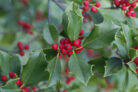
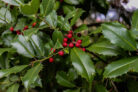
For the most part, hollies are super low-maintenance, hardy shrubs or trees that handle our winters like champs. However, you can’t just paint them all with the same brush—how much cold they can actually take really depends on the specific variety you’ve got in your yard.
Common Holly in the Winter
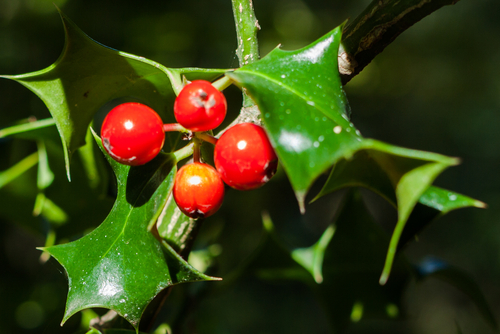
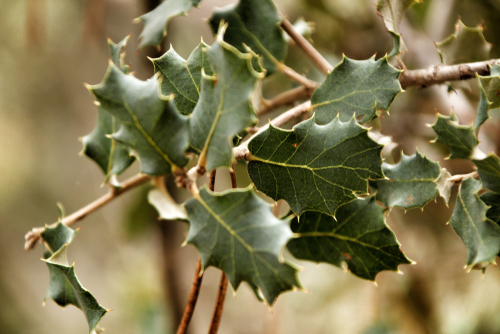
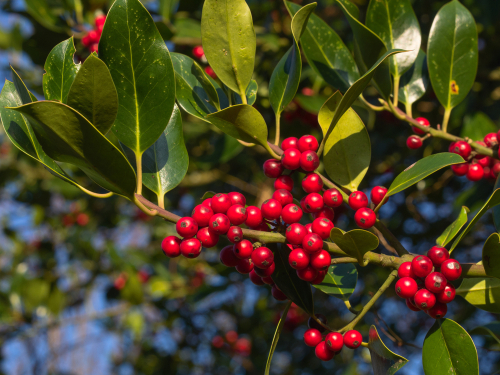
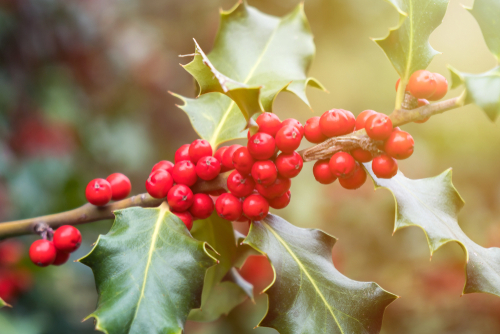
Our standard English or European hollies aren’t bothered by a little snow or frost. They’re perfectly adapted to the climate and can stay out in the garden all winter long without any extra protection. They look absolutely stunning during the chilly months with those glossy evergreen leaves and iconic red berries. Plus, those berries stick around for a while, providing a much-needed snack for local birds.
Now, if you’re growing your holly in a container, you might need to step in during those “polar vortex” snaps. Wrap the pot in burlap, bubble wrap, or garden fleece to keep the roots safe. Small pots freeze through pretty quickly, which can damage the plant. It’s also a good idea to protect newly planted hollies that haven’t fully established their root systems yet. Just toss a loose layer of evergreen branches over the root zone to keep them cozy.
Don’t forget: hollies still need water in the winter if it’s been a dry season! They lose a lot of moisture through their leaves, especially in sunny spots. Give them a good drink on frost-free days. This prevents the plant from dropping too many leaves in the spring and ensures it has enough energy for a lush new growth spurt.
Japanese Holly
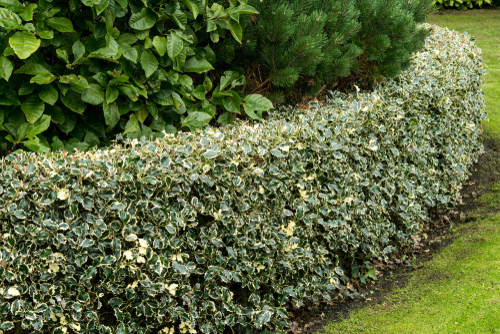
Japanese Holly is becoming a huge favorite for standalone features or hedges because its tiny leaves look just like Boxwood—and it handles pruning just as well. However, keep in mind that Japanese Holly is actually quite sensitive to frost. If you want it to survive the winter successfully, you’ve got to give it some TLC and protection from those biting winter winds.
When the mercury drops, cover your Japanese Holly with thick layers of mulch, dry leaves, or pine boughs. For container plants, wrap them up in fleece or specialized garden wrap. If you have the space, the best move is to overwinter your potted Japanese Holly in a frost-free spot, like a well-ventilated greenhouse where the temperature stays above freezing.
Winter Holly Care at a Glance
To make sure your holly comes out of winter looking its best, keep these quick tips in mind:
- Give them some extra water on days when the ground isn’t frozen.
- Put the fertilizer away—no feeding during the winter months!
- Protect newly planted English hollies and all Japanese hollies from heavy frost.
- Use leaves, brush, or evergreen branches as a natural insulating blanket.
- Wrap container-grown plants in protective wrap or burlap.