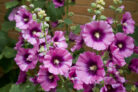
Hollyhocks can be a bit finicky when a long cold snap hits. If you’ve got yours growing in containers, you’ll definitely want to step in and help them out before the first freeze. The good news? It’s actually pretty easy to keep your hollyhocks happy and healthy until spring rolls around.
How Well Do Hollyhocks Handle the Cold?
In most cases, you don’t need to lose sleep over your hollyhocks during the winter. These beauties (botanically known as *Alcea rosea*) are actually quite frost-hardy. If your plants are fully grown and established in your garden beds, they can usually handle months of snow without any extra help from you.
However, hollyhocks can be sensitive to the cold if:
- They are a specific variety that isn’t winter-hardy
- They are growing in pots or containers
- They are still young “babies”
If you’re growing hollyhocks in containers, the game changes a bit. For one, keeping them hydrated during winter is trickier. Plus, they miss out on the natural insulation that the ground provides. In a pot, the frost can reach those roots much faster. That’s why these potted plants need a little extra TLC.
Winter Prep Tips for Your Hollyhocks
First things first: check which variety you’ve planted. For the hardy types, a simple layer of mulch, fallen leaves, or evergreen branches over the base of the plant is usually plenty. For your container plants, try wrapping the outside of the pot in burlap or bubble wrap to keep the roots cozy. Also, only give them a drink of water on days when the ground isn’t frozen.
Now, if you’ve planted a more delicate variety that can’t stand the frost, you’ll need a different game plan. These guys should be moved indoors to a spot that’s cool but not freezing—think a basement, a garage, or a greenhouse. They do best in temperatures between 45°F and 50°F (8°C to 10°C). Just give them a little water every two weeks to keep the soil from drying out completely, and they’ll be ready to bloom again come spring!