Back in early spring, many of us filled our garden beds with charming Johnny Jump Ups (Viola cornuta). These little beauties brighten up the garden well into summer and often give us a second spectacular show in the fall. But as the temperatures start to drop, you might be wondering: what happens when winter really kicks in? Are these violets actually winter-hardy?
Can Johnny Jump Ups Survive the Winter?
Originally, these violets hail from the high altitudes of the Pyrenees mountains. Because they’re used to harsh mountain weather, most varieties are surprisingly tough. In fact, many hybrids can handle temperatures as low as 5°F (-15°C) without breaking a sweat.
In most parts of the U.S., these plants should make it through the winter just fine. However, you might still find a few dead patches come spring. Usually, it’s not just the cold that kills them, but one of these three culprits:
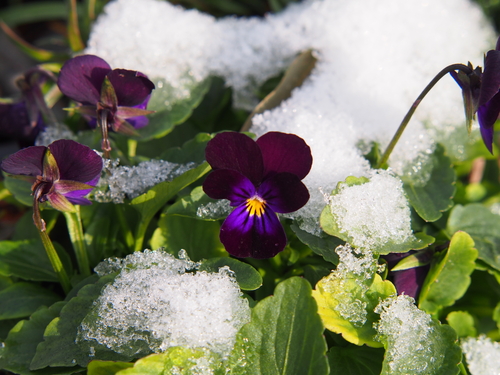
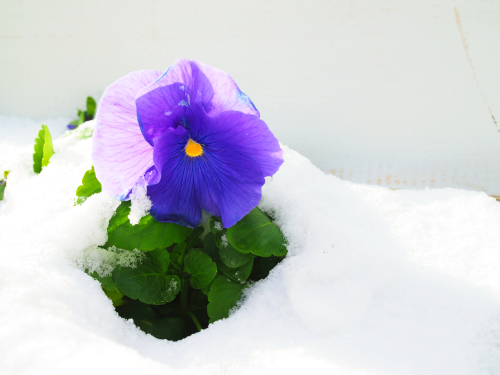
- Black Frost: This happens when you get a deep freeze without any snow cover. Without that “snow blanket” to insulate the roots, the ground freezes solid, which can lead to root damage and rot.
- Constant Rain: In milder regions, winter often means endless rain rather than snow. If your soil is compacted or your pots don’t have great drainage, the roots will sit in standing water and eventually rot away.
- Lack of Energy: Older plants that haven’t been divided or rejuvenated lately simply run out of steam and don’t have the energy reserves to survive a long winter.
Winter Protection: Better Safe Than Sorry
Even though most Johnny Jump Ups are hardy, I always recommend giving your outdoor plants a little extra winter protection. If you’re growing them in containers, protecting them from the cold and damp is a must.
In the Garden Bed
Keep an eye on the foliage—if it starts turning a reddish tint, that’s the plant’s way of saying it’s prepping for dormancy. At this point, give them a light trim and cover them with some evergreen boughs, compost, or brushwood. Leave this protective layer on until you see new growth popping up in the spring.
In Pots and Containers
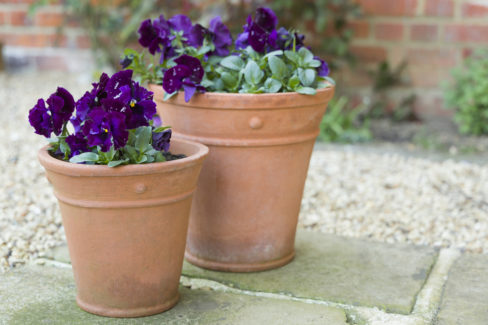
If you have potted violets, you can overwinter them in a frost-free spot like a basement or garage. The key is to keep them cool (around 50°F), give them very little water, and skip the fertilizer entirely. If you’re leaving your pots outside, move them to a sheltered corner. After cutting them back to just above the soil line, place the pots on an insulating base like wood or Styrofoam. Then, wrap the pot in:
- Garden fleece
- Bubble wrap, or
- A coconut fiber mat
This prevents the root ball from freezing solid. If your pots are under a roof or porch, don’t forget to give them a tiny bit of water every now and then so they don’t completely dry out!