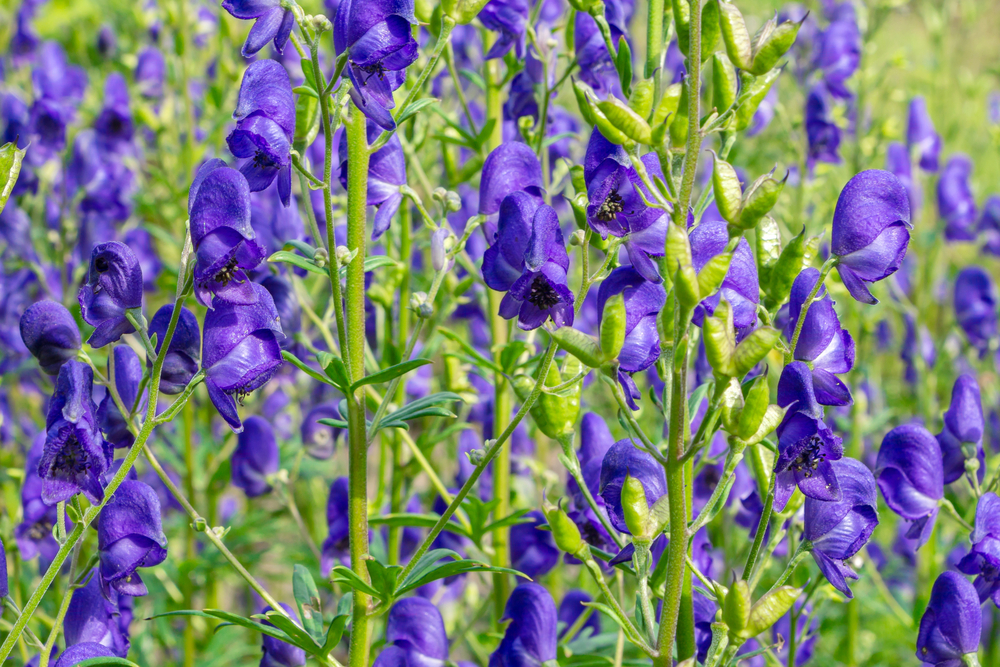
When we talk about the most dangerous plants in European gardens, the Monkshood (also known as Blue Aconite) almost always tops the list. This isn’t a plant to mess around with—even a tiny amount can be fatal if ingested, causing respiratory failure within just a few hours. Because it’s so potent, it is absolutely vital that you know how to tell its flowers and leaves apart from other, safer plants in your yard.
Every Part is Toxic
With many garden plants, the toxins are concentrated in the berries or the roots. Unfortunately, Monkshood doesn’t play by those rules; the entire plant is poisonous from top to bottom. Even just brushing against it with bare skin can cause a painful rash. If you handle it for too long without protection, you might experience numbness or even localized paralysis. This is why being able to identify it on sight is a must for any gardener.
How to Spot It
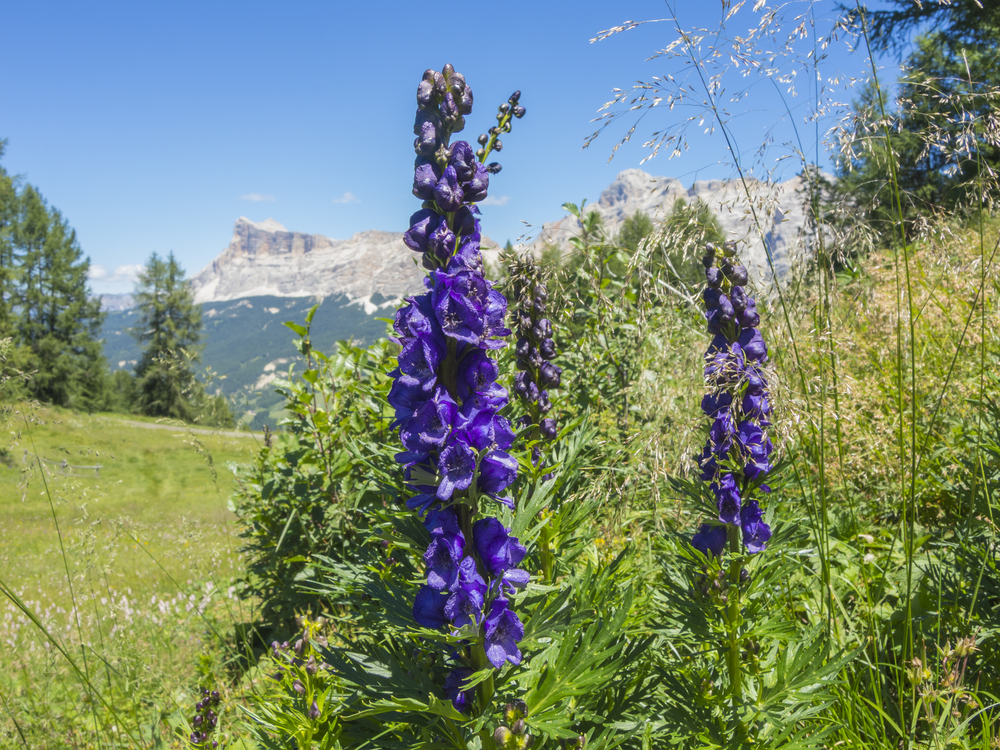
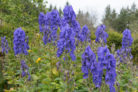
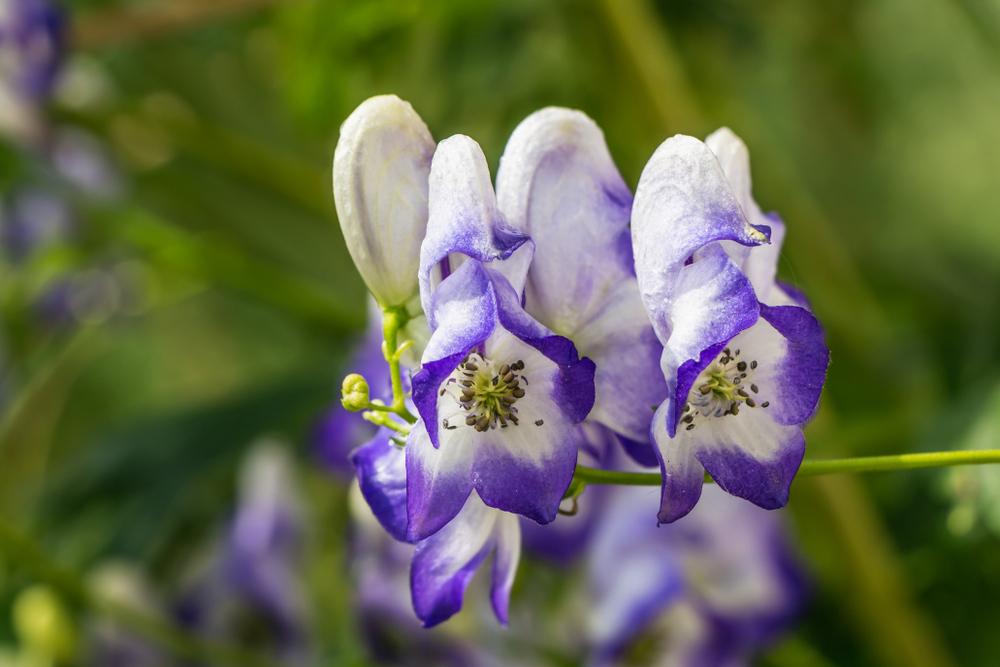
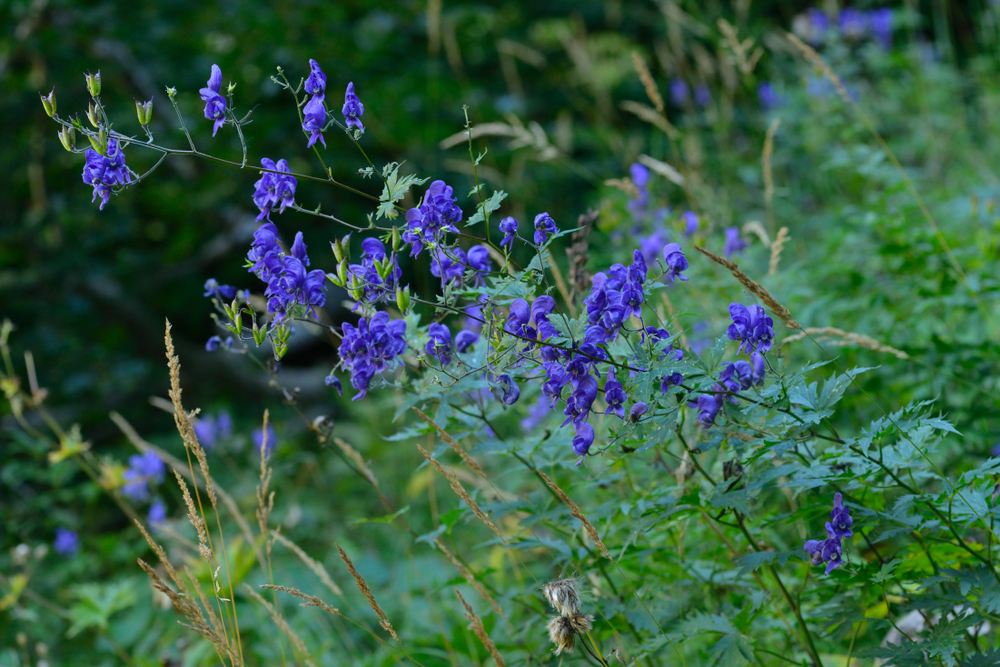
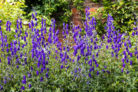
Monkshood belongs to the buttercup family (*Ranunculaceae*). Like many of its cousins, it features deeply lobed, hand-shaped (palmate) leaves. It’s also known for its very upright, sturdy growth habit, usually reaching anywhere from two to five feet tall. Here are a few more tell-tale signs to look for:
- Deep blue to violet-blue flowers (blooming from July through September).
- Light green seed pods that turn brown as they ripen.
- A distinctive “helmet” shape on the flower that is typically wider than it is tall.
In the wild, you’ll mostly find Monkshood in mountainous regions or higher elevations. It loves cool, damp spots, which is why it’s a frequent sight in wet meadows or along the banks of streams.
Common Look-alikes
Believe it or not, Monkshood can be easily mistaken for several common herbs. For instance, Mugwort—often used as a seasoning for hearty roasts—has a very similar leaf shape. You can tell Mugwort apart by the slightly silvery tint of its leaves and the fuzzy white hairs on the undersides. Wormwood is another look-alike, though its foliage has a distinct grayish-silver hue. Finally, it can sometimes be confused with Garden Sage, but you can usually identify the real deal by Sage’s signature strong, earthy aroma.