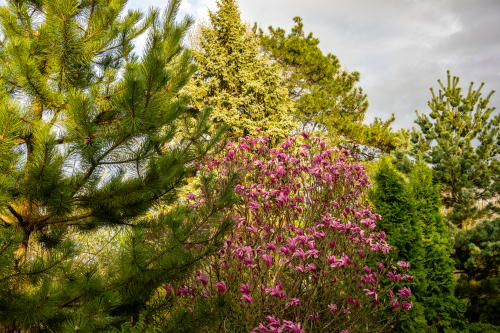
When magnolias start blooming, they honestly make any garden look like a dream. For the most part, these beauties are pretty hardy and don’t get sick often if they’re happy and healthy. However, if you aren’t careful with your pruning shears, fungi can sneak into the plant and start causing trouble. Here’s what you need to look out for and how to handle it.
Powdery and Downy Mildew
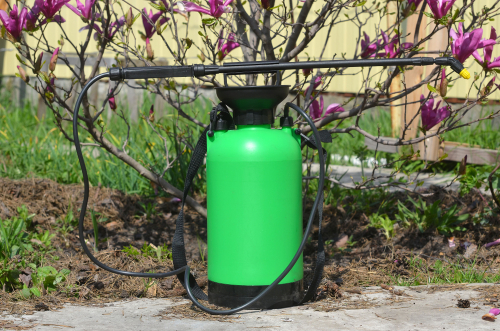
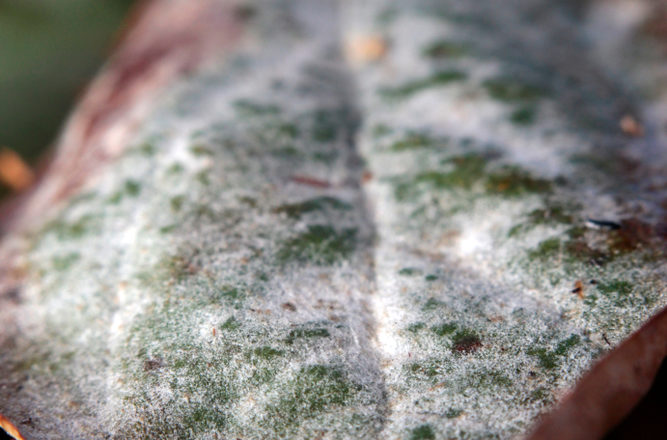
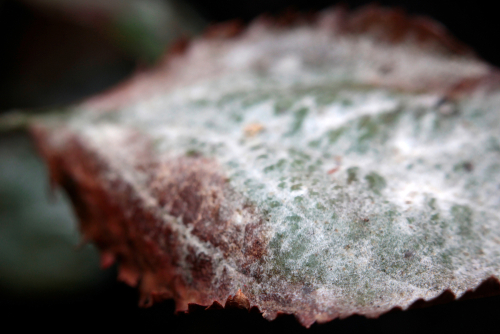
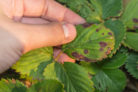
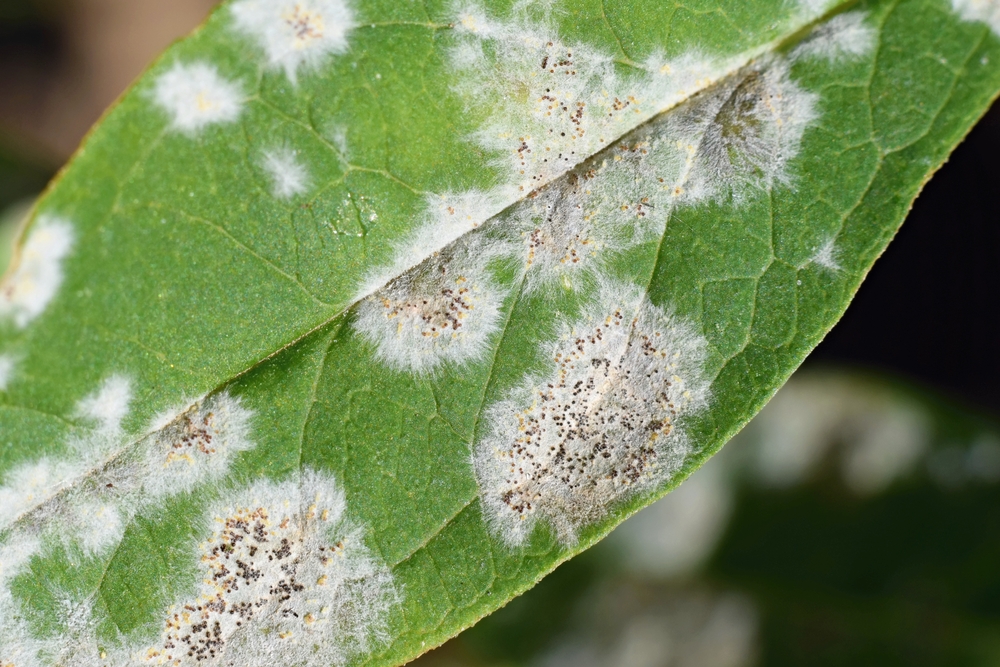
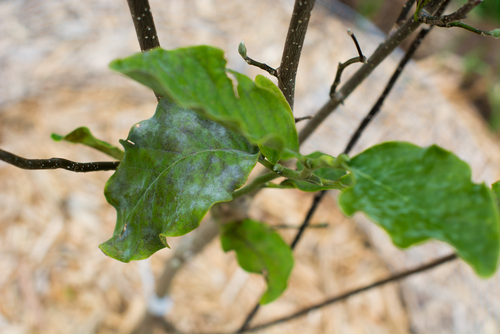
Powdery mildew usually shows up first as a white, flour-like coating on the tops of your magnolia leaves. Downy mildew, on the other hand, creates a purplish-gray fuzzy growth on the undersides. While downy mildew loves damp, humid weather, powdery mildew is actually a “fair-weather fungus” that thrives when it’s dry. Regardless of which one is crashing your garden party, you should prune away the affected parts and treat the tree with a natural nettle or garlic spray. If the infestation is really getting out of hand, a copper-based fungicide is your best bet.
Coral Spot (Nectria cinnabarina)
A coral spot infection usually happens because of dirty garden tools. To keep your magnolia safe, always give your knives and pruning shears a good cleaning and disinfection before you start cutting. If your tree does get infected, you’ll notice bright orange-red or pale red pustules popping up on the branches. This fungus messes with the plant’s metabolism and can actually kill the whole tree if left alone. Your best move is to prune the infected branches back aggressively. Make sure to toss those clippings in the regular trash—not the compost—so you don’t spread the spores to the rest of your garden.
Gray Mold (Botrytis)
Gray mold usually takes aim at the tender bits first—think young shoots, leaf buds, and flower buds. It looks like a fuzzy gray-white carpet that spreads incredibly fast. Speed is the name of the game here: remove all affected parts immediately. After pruning, it’s a good idea to treat the plant with a sulfur-based fungicide to keep the mold from coming back.
To recap, here are the main fungal issues you might run into with your magnolias:
- Powdery and Downy Mildew
- Coral Spot
- Gray Mold (Botrytis)