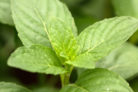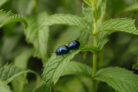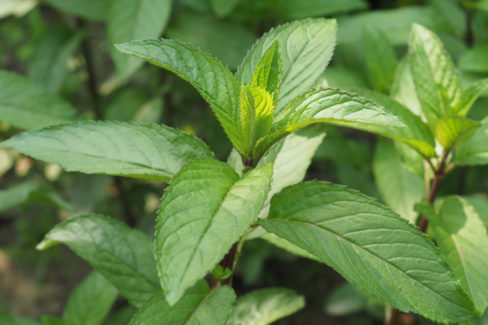
Green is the color of mint—at least as long as your herbs are happy and healthy! If you start seeing brown spots, don’t panic, but don’t ignore them either. It’s definitely a sign that something is up, and it’s time to do a little detective work so you can get your plant back on track.
Disease vs. Maintenance: What’s causing those brown spots?
There are usually five main culprits behind a mint plant turning brown—three diseases and two common care mistakes. Take a look at your plant and see if one of these sounds like the winner:
- Leaf spot disease
- Powdery mildew
- Mint rust
- Not enough water
- Too much direct sun (wrong location)
Identifying and beating the “Big Three” diseases
Mint rust is a fungal issue that isn’t necessarily a death sentence for your plant, but it does cause those annoying small brown dots on the leaves and stems. It loves damp weather, and you’ll often see the first signs as early as late April. Leaf spot disease looks very similar, so don’t worry if you can’t tell them apart—the treatment is basically the same. Then there’s powdery mildew. This one usually starts as a white, fuzzy coating, but eventually, those leaves will turn brown and die off.
The good news? Mint grows like a weed! Because it’s such a fast grower, the best way to handle all three of these diseases is a radical pruning session.
- Cut back all infected stems and toss them in the trash (not the compost!).
- Leave about two “sleeping eyes” (nodes) at the base so the plant can grow back fresh.
- Keep a close eye on the new growth for any signs of the disease returning.
If the infection is still pretty mild, you can try spraying the plant with a mixture of milk and water (9 parts water to 1 part milk). I also recommend watering your freshly pruned mint with some horsetail tea—it’s a great natural way to strengthen the new shoots.
Check your watering routine
Mint is a thirsty plant! It loves soil that stays consistently moist and fresh. If you fall behind on watering, especially during a hot summer, the leaves will develop brown spots that get bigger and more frequent over time. A good rule of thumb: water your mint as soon as the top inch of soil feels dry. Give it a deep soak so the moisture reaches the roots. If you’re growing mint in a pot, just make sure to empty the saucer after a few minutes. You want moist soil, not soggy “wet feet,” which can cause just as many problems as drought.
Pro Tip:
If you’re too busy to keep up with watering during the summer heat, try growing your mint hydroponically! It works surprisingly well, even on a sunny balcony.
Is your mint getting a sunburn?
Mint generally prefers partial shade. If it’s sitting in a spot with intense, direct afternoon sun, the leaves can actually get scorched. If your mint is in a container, moving it to a slightly shadier spot is an easy fix. If it’s planted in a garden bed, you can try providing some temporary shade on scorching days. However, if it keeps struggling, you might need to transplant it. Honestly, it’s a good idea to move your mint to a new spot every 3 to 4 years anyway to keep the soil fresh!