7 Best Non-Toxic Climbing Plants for Your Home and Garden
By Robert Chen|Published on November 10, 2022|Updated on January 23, 2025
If you’ve got kids or pets running around the yard, safety is probably your top priority when picking out new greenery. You want that lush, vertical look, but you don’t want to worry about anyone getting sick if they decide to do a little “taste test.” To help you out, I’ve rounded up seven of the best non-toxic climbing plants for your garden, plus a little-known “insider tip” that’s as delicious as it is beautiful.
[[pflanzen]]
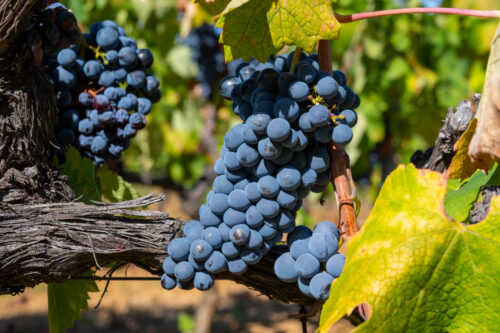
++Grapevines (Vitis vinifera ssp. vinifera)
Imagine plucking sweet, sun-warmed grapes right off the vine in your own backyard! Grapevines are fantastic non-toxic climbers and are actually easier to grow than you might think. If you train them along a trellis, these vigorous growers can easily create a 20-foot-wide living green wall. Just keep in mind that grapes only grow on new wood, so you’ll need to give them a proper pruning every year. Also, if you live in a colder climate, make sure to give them a little extra winter protection.
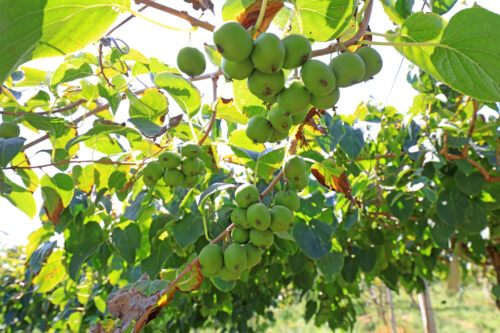
++Hardy Kiwi / Kiwi Berry (Actinidia arguta)
Hardy kiwis are becoming a huge hit with home gardeners, and for good reason—some varieties can handle temperatures as low as -30°F! These vines can reach up to 20 feet, winding themselves around any support you provide. After about two or three years, you’ll be rewarded with bite-sized, super-sweet fruits. They taste just like the big kiwis you find at the grocery store, but the best part? The skin is smooth and totally edible—no peeling required!
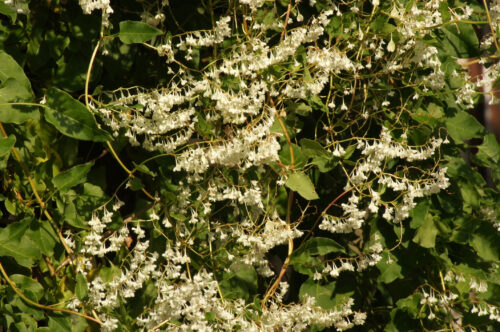
++Silver Lace Vine (Fallopia aubertii)
If you need a “quick fix” for an ugly fence or wall, this is your plant. The Silver Lace Vine is incredibly fast-growing, adding several feet of height every single year. It features lovely foliage that turns yellow in the fall before dropping for the winter. From June all the way through October, it’s covered in delicate white or pale pink flower clusters that bees and butterflies absolutely love. It’s a great way to add some safe, pollinator-friendly volume to your landscape.
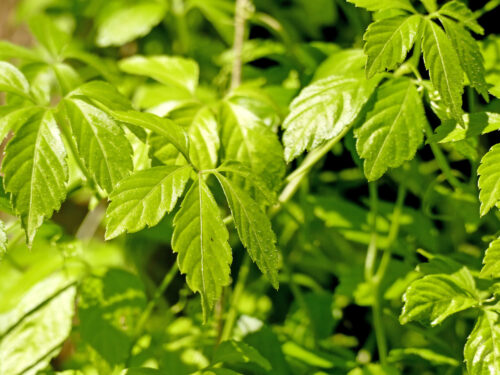
++Jiaogulan (Gynostemma pentaphyllum)
Often called “Southern Ginseng” or the “Herb of Immortality,” Jiaogulan is still a bit of a hidden gem in American gardens. This climbing perennial can shoot up to 13 feet in a single season. The vibrant green, five-lobed leaves aren’t just pretty—they’re actually a healthy, exotic addition to salads or can be brewed into a tea. It’s hardy down to about 5°F, though the parts above ground will die back in the winter and sprout fresh again in the spring.
++Black-Eyed Susan Vine (Thunbergia alata)
--500x333.jpg" alt="Black-Eyed Susan Vine" width="500" height="333" class="alignnone size-medium-large wp-image-44278" srcset="https://guterboden.de/wp-content/uploads/2022/11/Schwarzaugige-Susanne--500x333.jpg 500w, https://guterboden.de/wp-content/uploads/2022/11/Schwarzaugige-Susanne--300x200.jpg 300w, https://guterboden.de/wp-content/uploads/2022/11/Schwarzaugige-Susanne--1024x683.jpg 1024w, https://guterboden.de/wp-content/uploads/2022/11/Schwarzaugige-Susanne--768x512.jpg 768w, https://guterboden.de/wp-content/uploads/2022/11/Schwarzaugige-Susanne--1536x1024.jpg 1536w, https://guterboden.de/wp-content/uploads/2022/11/Schwarzaugige-Susanne--2048x1365.jpg 2048w, https://guterboden.de/wp-content/uploads/2022/11/Schwarzaugige-Susanne--488x325.jpg 488w, https://guterboden.de/wp-content/uploads/2022/11/Schwarzaugige-Susanne--308x205.jpg 308w, https://guterboden.de/wp-content/uploads/2022/11/Schwarzaugige-Susanne--234x156.jpg 234w, https://guterboden.de/wp-content/uploads/2022/11/Schwarzaugige-Susanne--138x92.jpg 138w, https://guterboden.de/wp-content/uploads/2022/11/Schwarzaugige-Susanne--350x233.jpg 350w" sizes="(max-width: 500px) 100vw, 500px" />
With its cheerful yellow, orange, or white blooms—usually featuring that iconic dark center—this vine creates a stunning floral screen. It’s a fast mover, growing up to 8 inches a week! Since it’s completely non-toxic, it’s a perfect choice for pergolas or play areas where kids hang out. It’s typically grown as an annual and is also a wonderful way to “dress up” cat enclosures or balcony netting during the summer months.
++Blackberries (Rubus fruticosus)
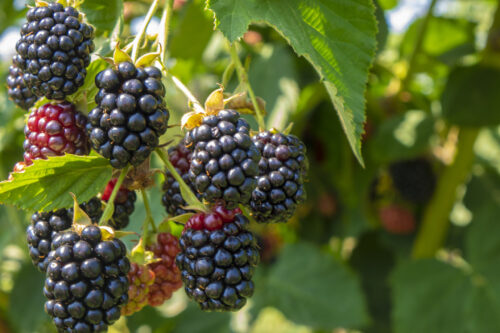
Blackberries are the gift that keeps on giving: they grow fast, provide a dense screen, and offer delicious snacks. To keep your kids and pets safe from scratches, I highly recommend choosing one of the modern thornless varieties. For the best harvest, plant them in a sunny spot and train the canes along a trellis. This helps you keep track of which canes are for this year’s fruit and which are for next year, keeping the plant manageable and productive.
++Nasturtium (Tropaeolum majus)
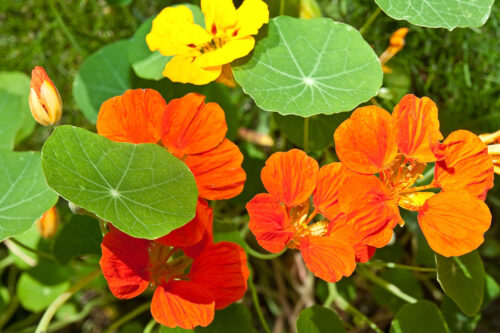
Nasturtiums are a classic for a reason. The entire plant is edible and packs a peppery punch that’s great in the kitchen. They grow quickly, and their unique circular leaves have a cool “lotus effect” where water beads right off them. Starting in July, you’ll get a burst of red, orange, and yellow flowers. Fun tip: you can even harvest the green seed pods and pickle them—they taste just like capers!
%%Achocha / Caigua (Cyclanthera pedata)
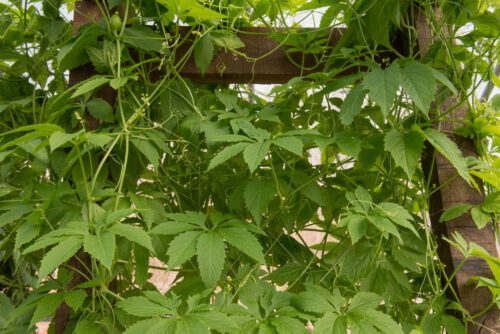
Here’s my secret tip: the Achocha (also known as the “Inca Cucumber”). Originally from Peru, this member of the gourd family can climb up to 13 feet. It’s very branchy with beautiful lobed leaves, making it an excellent privacy screen for a patio or balcony. The fruit, which looks a bit like a pointed cucumber, is ready in August and is incredibly versatile. You can eat them raw, toss them on the grill, or even stuff and bake them. It’s a unique, safe, and tasty addition to any family garden!