Don’t panic! Generally speaking, ivy is a pretty tough cookie, and fungal infections aren’t all that common. If you’ve given your ivy a spot with the right light and soil, most of what you’re about to read will just be “good to know” info. But, if your plant is looking a little under the weather or you suspect something is off, you’ll want to pay close attention.
The Two Main Fungal Culprits
If your ivy has picked up a fungal infection, it’s likely dealing with one of these two diseases:
- Anthracnose (Colletotrichum trichellum)
- Bacterial Leaf Spot/Ivy Canker (Xanthomonas campestris pv. hederae)
Quick Tip:
Fungal issues usually strike outdoor plants. If you’re growing indoor ivy, you’re much more likely to deal with pests caused by dry indoor air.
Spotting the Damage
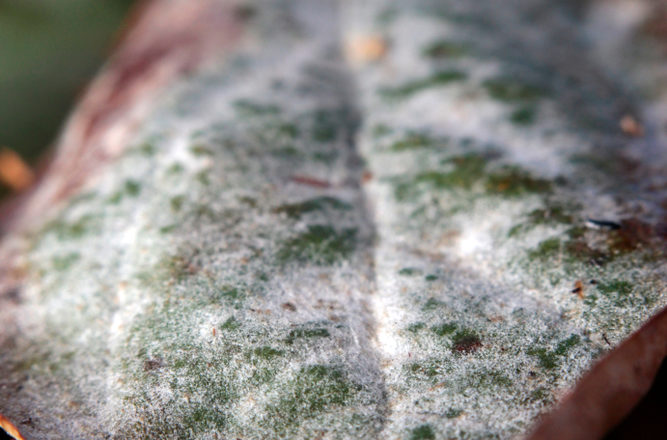
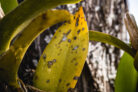
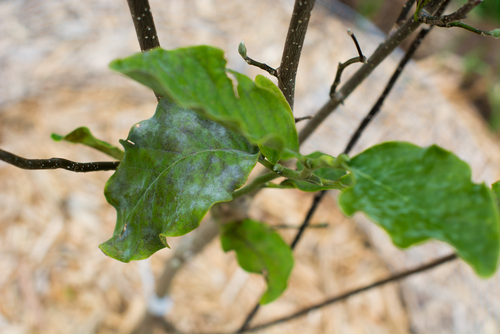
The first thing you’ll notice is that your ivy just doesn’t look “happy” anymore. That lush green or variegated foliage will start showing some ugly changes. With Anthracnose, you’ll see grayish or brown spots on the leaves that feel slightly raised, though the leaves usually stay attached to the vine. Bacterial Leaf Spot starts with small, dark dots that eventually grow into large black blotches with a distinct red halo. Eventually, these spots dry out and fall out, leaving your leaves looking like Swiss cheese.
Note:
If your ivy leaves are turning red, don’t worry—that’s usually not a disease! Some varieties naturally turn red in the fall, or it can be a reaction to getting a lot of direct sunlight.
How to Fight Back
If you catch the infection early, you can usually save your ivy with a few simple steps and avoid using harsh fungicides altogether.
- Snip off any infected vines.
- Thin out the plant to improve airflow.
- Don’t be afraid of a hard prune if necessary.
- Rake up and remove any fallen leaves (they carry the fungal spores!).
Pro Tip:
If the infection is really severe, consider whether it’s better to just remove the plant entirely rather than spraying heavy chemicals. It’s often better for your soil health in the long run.
Safe Disposal is Key
Those discarded vines are covered in living fungal spores that can hang around for a long time, posing a threat to the rest of your garden. Whatever you do, never put infected ivy on your compost pile! Instead, dispose of it in your regular trash or a dedicated green waste bin. If you have a massive amount, take it to a local yard waste recycling center.
Prevention is the Best Medicine
Fungi love damp, stagnant conditions. To keep your ivy healthy, try to minimize moisture on the leaves: