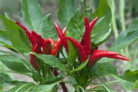
Chili peppers aren’t naturally frost-hardy, but here’s a little secret: they are actually perennials! While overwintering them takes a bit of effort, it’s totally worth it. Not only will your plants be tougher the following year, but you’ll also get a much bigger harvest.
Potting Your Peppers
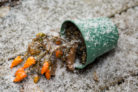
Whether your chilies spent the summer in a garden bed or were already in containers, you’ll want to give them a fresh start before moving them indoors. Repotting your plants is crucial because it allows you to check the soil for hidden pests like grubs. These little guys tend to wake up in a warm winter home and snack on the roots, which can kill your plant before spring even arrives.
When you’re prepping them for winter, don’t reach for the high-octane, nutrient-rich potting soil. Plain garden soil works just fine. Alternatively, you can mix some standard veggie soil with seed-starting mix to keep the nutrient levels low.
Finding the Right Spot
Location is everything when it comes to keeping your peppers alive until spring. You’re looking for a spot that is bright but cool. A well-lit stairwell or a south-facing window in an unheated (but frost-free) room is ideal.
Avoid spots like the living room or a sunny sunroom. These areas usually get too warm, or the temperature swings between day and night are just too drastic for the plants to handle comfortably.
Winter Care Tips
The good news is that chilies are pretty low-maintenance during their winter nap. You only need to water them sparingly and keep a close eye out for pests and diseases. Aphids are the most common uninvited guests, but you can usually handle them with a simple soapy water spray. If you want to go the natural route, spraying the plants with a bit of lavender tea also works wonders.
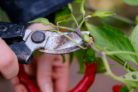
To really lower the risk of a pest infestation, I recommend pruning the plants back in the fall or removing the leaves. This doesn’t just keep bugs away; it also helps the plant conserve energy. Since there isn’t enough sunlight in the winter for full-scale photosynthesis, the plant doesn’t need all that foliage. The same goes for any leftover peppers—go ahead and harvest them, as they rarely ripen properly indoors anyway.
If your plant starts putting out blossoms during the winter, just pinch them off. They won’t get pollinated, and they’re just a drain on the plant’s precious resources.