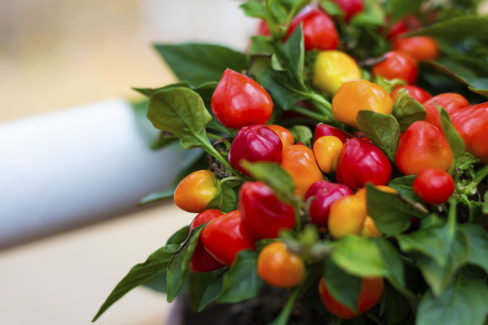
Most of us treat hot peppers as annuals because they can’t stand the frost, but here’s a little secret: these plants are actually perennials! If you have the space to overwinter a few of your favorites, you’ll be rewarded with a much earlier harvest and way more peppers next season.
Potting Up at the Right Time
Even though peppers are perennials, it’s not always worth the effort for every single variety. I usually focus on the varieties that take forever to germinate or ripen. By keeping these plants alive through the winter, you get a massive head start—sometimes a month or more—compared to starting from seed in the spring.
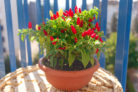
If you’re planning on keeping your peppers for several years, it’s much easier to grow them in pots from the get-go. If yours are currently in the ground, you’ll need to dig them up and pot them before the first frost hits. This usually involves a bit of root pruning. Peppers grown in the garden develop pretty extensive root systems that won’t fit in a standard pot, and since some roots inevitably get damaged during the move, you’ll need to trim them back anyway.
The Fall Pruning Session
Pruning is a non-negotiable step for successful overwintering. You can wait until late fall to get started, but when you do prune your peppers, you’ll want to cut the branches back by about two-thirds.
Go ahead and remove any remaining flowers, fruits, and leaves. Be extra careful with the leaves, though—don’t just rip them off! New growth will sprout from the leaf axils next year, so it’s better to snip the leaves off cleanly with shears to avoid damaging those future growth points.
Winter Care Tips
Once they’re settled in for the winter, peppers are actually pretty low-maintenance. They like a spot that’s bright but cool—a south-facing window in a room that stays around 50°F (10°C) is perfect. You’ll want to water them sparingly. It’s fine if the top of the soil dries out, but make sure the root ball itself never completely dries out.
The biggest headache during the winter is usually pests like aphids, spider mites, or mealybugs. Keep a close eye on your plants! Since you’ve pruned them back and removed the leaves, it’s much easier to spot these uninvited guests early on.
If you see spider mites, it usually means the air is too dry. A quick fix is to mist your plants with a little water. For aphids or mealybugs, a gentle wash with some insecticidal soap or a simple castile soap solution usually does the trick. I only recommend reaching for organic pesticides if you’re dealing with a really heavy infestation.