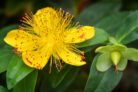
When it comes to St. John’s Wort, one size definitely doesn’t fit all! The *Hypericum* family is actually pretty huge. While many of these beauties have found a permanent home in our backyards, not all of them handle a chilly winter the same way. They all love soaking up the summer sun, but when the frost hits, some need a little extra TLC.
Most common varieties are winter-hardy
Good news for most gardeners: Common St. John’s Wort (the medicinal kind) and several other popular varieties—like Tutsan, Mountain, Hairy, and Great St. John’s Wort—are quite winter-hardy. Creeping, matted, and dwarf varieties also hold their own against the cold. Generally, these guys can stay out in the garden bed all winter without much fuss. However, if you’re expecting a long, brutal cold snap, it’s a smart move to toss a layer of mulch, dry leaves, or evergreen boughs over them. Just a heads-up: while most benefit from a good pruning before winter, some types (like Great St. John’s Wort) can actually become more sensitive to frost if you cut them back too early.
Young plants need a safety blanket
Even if a variety is technically “hardy,” young plants are like toddlers—they haven’t built up their defenses yet. Freshly planted St. John’s Wort can struggle even in a light freeze. If you’ve been propagating your own plants indoors, wait until after the last frost in May to move them outside. For their first autumn in the ground, definitely give them a thick protective cover to help them get through the season.
Winterizing St. John’s Wort in pots
Growing St. John’s Wort in containers is totally doable, but remember that pots freeze much faster than the ground. To keep the root ball from turning into an ice cube, you’ll want to:
- Wrap the pot in thick burlap, bubble wrap, or heavy fleece.
- Place the pot on a piece of Styrofoam or a wooden pallet to insulate it from the cold ground.
- Move it to a sheltered spot near the house wall.
- Water sparingly (only on frost-free days) and make sure excess water can drain away so the roots don’t rot.
Sensitive varieties from warmer climates
Some species hail from Mediterranean or tropical regions where frost is a foreign concept. For these plants, even a light frost can be a death sentence, and mulch alone won’t save them. If you’re growing Balearic, Egyptian, or Lemon St. John’s Wort, your best bet is to keep them in pots so you can bring them indoors for the winter. If you aren’t sure about a specific variety, check its native location—if it comes from a place with mild winters, it’s going to need a cozy spot inside once the temperature drops.
Quick Tip:
Want to know more about what makes this plant so special? We’ve put together all the essential facts and features for you in our St. John’s Wort profile.