Ivy is one of the most versatile plants out there, but does that versatility change how it handles the cold? There’s a huge difference between an ivy plant tucked safely into a garden bed and one sitting in a small pot exposed to the elements from all sides. Let’s break down how to keep your ivy happy and healthy when the temperature drops.
Overwintering Ivy in the Garden
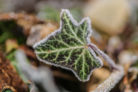
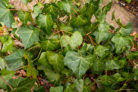
If you’re planting ivy outdoors, I always recommend sticking with hardy varieties. Your best bet is English Ivy (*Hedera helix*). It’s a classic for a reason—you can use it as a lush groundcover, let it climb up a wall, or even grow it as a privacy hedge.
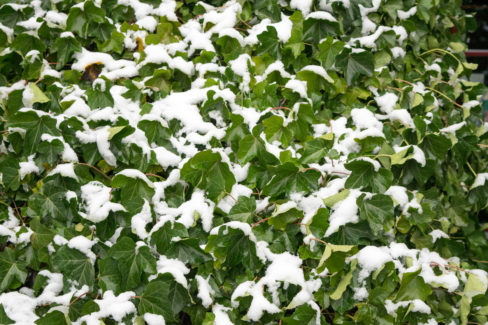
Once established, hardy ivy is a champ and usually doesn’t need any extra help to survive the winter. However, during its first year in the ground, you should give it a little “blanket” of brushwood, mulch, or evergreen branches. If you have a tall ivy hedge exposed to harsh, biting winds, tucking a few pine branches into the structure before the first frost can provide some much-needed shelter.
One thing you can’t forget: watering. Since ivy is evergreen, it keeps losing moisture through its leaves all winter. On frost-free days, check the soil—if it’s bone dry because of a lack of rain or snow, give it a drink.
Pro Tip:
If a few vines get zapped by a particularly brutal cold snap, don’t panic! Just prune them off in the spring. Because ivy grows so fast, it’ll fill back in before you know it.
Overwintering Potted Ivy
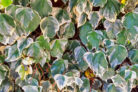
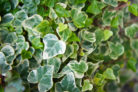
You can grow any ivy in a container, but for those beautiful variegated varieties (the ones with white or yellow patterns), a pot is actually the best place for them. Why? Because they aren’t nearly as cold-hardy as their solid green cousins. Some can’t handle frost at all, while others tap out around 15°F to 25°F. To get your potted ivy through the winter, follow these steps:
- Cover the soil surface with brushwood, leaves, or evergreen sprigs.
- Wrap the pot itself in burlap or frost fleece to protect the roots.
- Elevate the pot on a piece of Styrofoam or wood to insulate it from the frozen ground.
- Remember to water on days when the ground isn’t frozen.
If you have a variety that isn’t winter-hardy at all, it’s best to bring it indoors to a frost-free spot. If you aren’t sure which variety you have, a quick photo search online or a trip to your local garden center can help you identify it.
Overwintering Indoor Ivy
Indoor ivy doesn’t necessarily need a “winter dorm” or a cooler room, as long as you keep up with its water needs. However, if your ivy is sitting right next to a heater, the dry air is going to be an issue. Dry air often leads to brown leaves and invites unwanted guests like spider mites or aphids. To keep it happy, move it away from direct heat sources, use a humidifier, or give it a regular misting with water.