We all know parsley inside and out, right? It’s the ultimate kitchen staple. But is there actually anything new to learn about this herb, or are we just looking at the same old garnish? Well, it really depends on how well you’ve gotten to know it beyond the dinner plate. Let’s take a look at what makes this herb a true garden MVP.
Quick Facts
- Scientific Name: Petroselinum crispum
- Family: Apiaceae (Carrot family)
- Origin: Mediterranean region
- Common Names: Parsley, Garden parsley
- Life Cycle: Biennial (lives for two years)
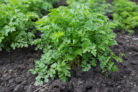
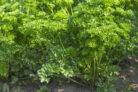
- Leaves: Light to dark green; flat-leaf or curly; highly aromatic
- Flowers: Yellow-green umbels
- Bloom Time: June – July (in its second year)
- Propagation: Seeds
- Harvest Season: Year-round until it starts flowering
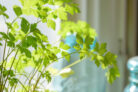
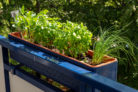
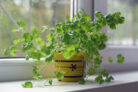
- Growing Spots: Garden beds, balcony boxes, or your windowsill
- Light: Partial shade; avoid harsh, direct midday sun
- Soil: Loose and nutrient-rich
- Calcium Tolerance: Yes, it likes a bit of lime
- Uses: Culinary herb and medicinal plant
- Toxicity: Be careful! Toxic after flowering (leaves and seeds)
How to Grow It
Parsley is super versatile—it’s just as happy in a garden bed as it is in a pot. You’ll want to start it from seed. Here’s the lowdown on getting a successful crop started:
- Sow outdoors from March to mid-May once soil temps hit 46°F (8°C).
- You can start seeds indoors as early as January.
- Second planting window: August.
- Soil: Use loose potting mix enriched with mature compost.
- Planting: It’s a dark germinator, so plant seeds about 1/2 inch deep.
- Crop Rotation: Wait at least 3 years before planting parsley (or its cousins like carrots/dill) in the same spot.
- Patience is Key: Germination takes 4 to 6 weeks.
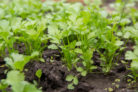
- Thinning: Once they’re 2 inches tall, thin them to about 4 inches apart.
- Good Neighbors: Parsley loves growing near strawberries, cucumbers, garlic, leeks, radishes, tomatoes, and onions.
Care and Maintenance
The secret to happy parsley is consistent moisture. It hates “wet feet” (standing water) but also can’t stand drying out completely. When watering, go for “frequent but light.” Let the top inch of soil dry out before watering again. If you’re growing in pots, give it a little fertilizer about once a month. In the garden, prepping the soil before planting is usually enough. Keep an eye out for diseases—if your parsley looks sickly, it’s best to pull it out and toss it.
Harvesting
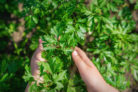
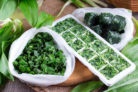
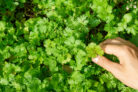
You can start harvesting as soon as the plant has stems with three pairs of leaves. Always cut the outer stems first and work your way in, but leave the “heart” (the center) alone so the plant can keep producing new growth. Make sure to do a big harvest before a long vacation, before it starts to flower, or before the first hard frost. It only stays fresh in the fridge for 3-4 days, but it freezes beautifully!
Pro Tip:
Stop harvesting once the plant starts to bloom. At this stage, it produces toxic apiol, which builds up in the leaves and can be harmful.
Uses
Most of us use parsley as a fresh finishing herb to brighten up a dish. But did you know it’s also a traditional medicinal herb? It’s often used in teas to help with bladder and kidney issues.