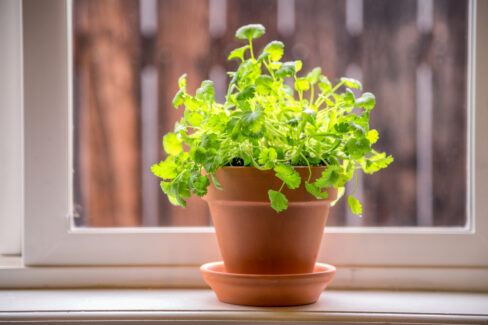
When it comes to growing parsley, there are usually two ways it goes: either your herb is the picture of health, or it’s struggling with some pretty obvious symptoms. If your parsley is looking sickly, it’s unfortunately off the menu for your kitchen creations. The good news? You can prevent most of these headaches just by picking the right spot and giving your plants a little extra TLC.
Common Parsley Problems
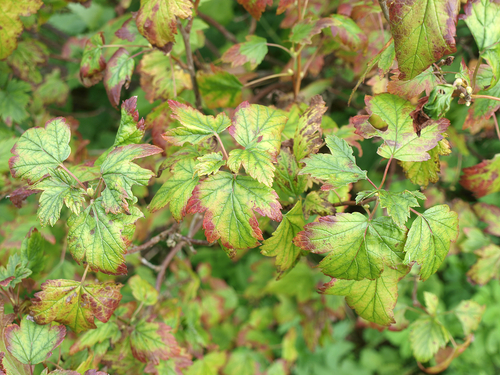
If you’ve got your parsley in a happy spot, it rarely gets sick. But if it stops growing or starts showing yellow leaves, it can be a bit of a guessing game to figure out exactly what’s wrong. Here are the usual suspects:
- Leaf Spot Disease
- Mildew
- Parsley Wilt
- Stem Rot
- Root Rot
Leaf Spot Disease
If you notice brown spots on the leaves covered in tiny black spores, you’re likely dealing with leaf spot. Your best bet is to sow varieties that are naturally resistant. A pro tip for prevention: try soaking your seeds in 122°F (50°C) water for about 25 minutes before planting to kill off lingering pathogens.
Parsley Wilt
Wilt is caused by various fungi that can be pretty aggressive toward garden plants, and parsley is no exception. It hits everything from tiny seedlings to mature plants. You’ll see spots on the roots, and the leaves will start turning yellow. Eventually, the whole plant just gives up the ghost.
Mildew
When the weather or growing conditions aren’t quite right, mildew can take over your parsley patch. A quick home remedy is spraying the plants with a mix of water and milk. However, prevention is really the name of the game here. Make sure your plants aren’t crowded so they have plenty of airflow. Thin out or prick out young plants so they’re at least 4 inches apart, and always practice good crop rotation.
Dealing with Rot
If the roots or stems are turning to mush, overwatering is usually the culprit. While certain nematodes or fungi could be the cause, figuring out the exact type requires a soil test—which is honestly a lot of work for a herb that only lives for a year or two anyway. Instead, trim off the affected parts and let the soil dry out between waterings. With a little luck, some of your plants might bounce back.
The Best Defense is Good Care
Most parsley diseases show up because the plant is stressed by its environment or care routine. Overwatering is the #1 mistake gardeners make. To keep your herbs happy, follow these simple watering rules:
- Only water when the top layer of soil feels dry.
- Use the “finger test” to check moisture levels before grabbing the watering can.
- For potted parsley, use a saucer to catch runoff.
- Empty that saucer shortly after watering so the plant isn’t “sitting in wet feet.”
- In garden beds, make sure your soil drains well.
- Always water at the base; try to keep the leaves dry!