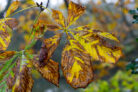
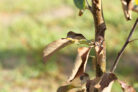
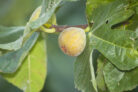
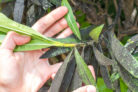
Pears are a total classic in any home orchard. But let’s be real—nothing ruins the vibe of a beautiful garden faster than seeing your pear tree start to develop brown leaves. It’s not just an eyesore; it can actually tank your fruit harvest. If you’re seeing some browning, don’t panic! Let’s dig into why this happens and how to fix it.
Brown Leaves Caused by Care Mistakes
First things first: check your tree’s environment. Choosing the right location is half the battle. Pears love soaking up the sun in warm spots with well-draining soil and consistent moisture.
When it comes to feeding your tree, more isn’t always better. Going overboard with fertilizer can actually cause brown leaves because an excess of nutrients can pull water away from the foliage. On the flip side, summer droughts are tough on pear trees, especially young ones. If the tree can’t get enough water to every branch, it’ll sacrifice leaves, which then turn brown and crispy.
Diseases That Turn Leaves Brown
Sometimes, the issue is more than just a watering mistake. Here are a few common culprits:
Fire Blight
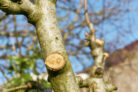
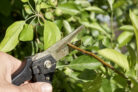
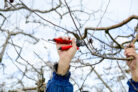
This is a serious disease where leaves and entire shoots turn dark brown or black, looking almost scorched. The only real fix here is to prune aggressively. Cut back all affected parts well into the healthy wood. Whatever you do, do not put these clippings in your compost pile! The disease can spread through the soil. Your best bet is to burn the trimmings or toss them in the trash.
Pear Trellis Rust
If you notice bright orange-red spots on the tops of the leaves around mid-May, you’re likely dealing with pear trellis rust. Eventually, the whole leaf will turn brown. This fungus actually jumps back and forth between pear trees and certain types of juniper bushes. You can try a natural remedy like horsetail tea, but it’s a tough one to beat. When planting, keep an eye out for nearby junipers and make sure to clear away any infected parts of those bushes too.
Mealy Pear Aphids
See curled or rolled-up leaves starting in April or May? You probably have uninvited guests. These tiny aphids suck the sap right out of the leaves, causing them to turn brown. If you flip a leaf over, you’ll see brownish bugs about 2-3 mm long that look like they’ve been dusted with flour. The first step to getting rid of aphids is to pluck off the infested leaves. You can also give the tree a good blast with a strong stream of water from the garden hose to knock them off.
Pro Tip: It can be a real challenge to treat a massive, established tree. That’s why the best defense is a good offense! Focus on picking the perfect spot and keeping your tree happy and hydrated from day one. A healthy tree is a resilient tree, and it’ll thank you with a lush, green canopy.