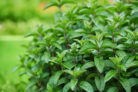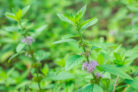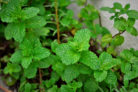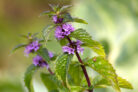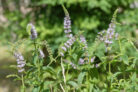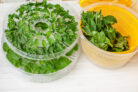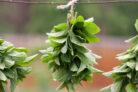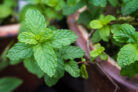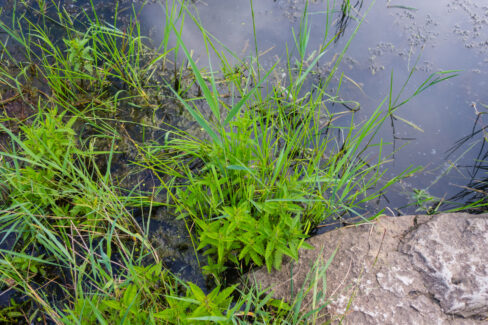
Almost everyone has sipped on a cup of peppermint tea at some point, but few people realize that this hardy little herb has roots stretching back to ancient times. It’s actually a bit of a “happy accident” of nature, likely born from a random cross-breeding of different mint varieties.
Where Does Peppermint Come From?
The ancient Egyptians were big fans of mint, though it probably wasn’t the exact peppermint we grow in our gardens today. There are countless wild mint varieties out there, and while most are great for brewing tea, you have to be careful—Pennyroyal, for instance, is actually toxic.
The peppermint we know and love likely made its debut in 17th-century England as a natural hybrid between Watermint and Spearmint. While most original mint species are pretty mild, peppermint stands out because of its high menthol content. That’s what gives it that signature refreshing, “peppery” kick. It’s exactly that spicy punch that makes it a favorite for tea lovers. Depending on who you ask, you might hear it called:
- English Mint
- Tea Mint
- Field Mint
- Noble Mint
- Brown Herb
Peppermint is strictly a cultivated plant; you won’t find it growing truly wild in its pure form. Other varieties like Watermint, Apple Mint, or Spearmint are part of the natural landscape all over the world. Just a heads-up for foragers: some wild mint species can be slightly toxic, so know your plants!
The Healing Power of Peppermint
Back in ancient times and especially during the Middle Ages, peppermint was a staple in every herb garden. People figured out early on that brewing the leaves into tea did wonders for stomach issues, thanks to the potent essential oils packed inside.
Fast forward to today, and science backs up what those early gardeners knew. Peppermint is known to be antispasmodic, diuretic, and antiviral, and it even helps with bile flow. A warm mug of peppermint tea can be a lifesaver for various digestive rumbles. The essential oils are great for helping with:
- Gastritis (stomach lining irritation)
- Gallbladder issues
- Irritable Bowel Syndrome (IBS)
- Mouth or gum inflammation
- Common colds and coughs
If you extract the oil directly from the leaves, it’s also fantastic as a topical rub for muscle aches, nerve pain, or those stubborn tension headaches.