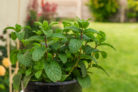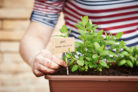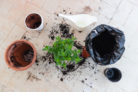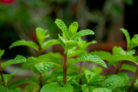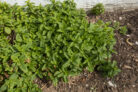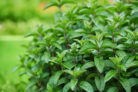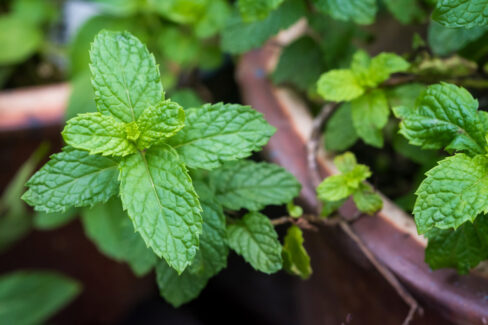
No garden? No problem! You don’t need a huge backyard to enjoy the refreshing taste of homegrown peppermint. It actually does incredibly well in containers, making it a perfect addition to your balcony or patio.
Growing Mint in Pots
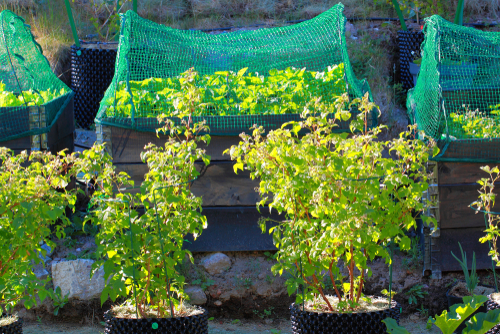
Once the threat of frost has passed in early May, you can move your mint outside. One thing to know about mint: it loves to spread out via underground runners. To keep it from getting cramped too quickly, make sure you pick a generously sized pot. Drainage is also key—your pot must have holes at the bottom because peppermint hates “wet feet” (standing water). Before you get your hands dirty, grab these essentials:
- A large pot or planter box with drainage holes
- A matching saucer to keep your balcony or patio clean
- Drainage material like expanded clay pebbles, broken terracotta shards, or large gravel
- Nutrient-rich, well-draining potting soil
- A little bit of sand to mix in for better aeration
Next up, you’ll need to find the perfect spot. Peppermint is happiest in a bright area with partial shade. You’ll want to avoid harsh, direct midday sun and super windy corners. If it gets too hot, the soil overheats and those precious essential oils in the leaves can “burn off,” leaving you with less flavor. Too much wind does the opposite—it chills the soil and also stunts the production of that signature minty oil.
Ongoing Care
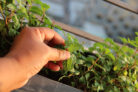
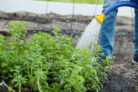
Once your mint has settled in and established its roots, the main job is keeping the soil consistently moist. As soon as the top layer feels dry to the touch, give it a drink. Just be sure to dump any excess water out of the saucer so the roots aren’t sitting in a puddle; soggy soil is a recipe for root rot or powdery mildew. About once a week, give your mint a little boost with some liquid fertilizer (diluted to half-strength). Since you’ll be eating these leaves, stick to organic fertilizer. You definitely don’t want synthetic chemicals building up in your plants and ending up in your tea!
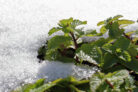
Even though peppermint is a hardy perennial, plants in pots need a little extra TLC to survive the winter. Before the first hard freeze, cut the mint back close to the soil. Place the pot on an insulated base (like wood or polystyrene) and cover the root area with pine branches or dry leaves. Finally, wrap the pot itself in bubble wrap or burlap to keep the roots cozy until spring.