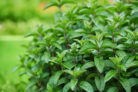
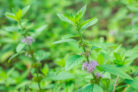
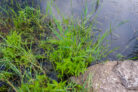
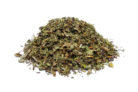
Whether you’re a kid or a grown-up, we all know that signature, refreshing zing of mint. It’s one of those herbs that’s everywhere, but even though it’s a household staple, I bet there are a few things about this garden favorite that’ll surprise you. Let’s dive into the world of mint!
Mint at a Glance
- Botanical Name: Mentha
- Family: Lamiaceae (the mint family—cousins to basil and rosemary!)
- Origin: Native to temperate regions across the Northern Hemisphere
- Variety: There are about 30 different species
- Fan Favorites: Peppermint, Pineapple Mint, Spearmint, Ginger Mint, Apple Mint, Chocolate Mint, Pennyroyal, Strawberry Mint, and Moroccan Mint
- Growth Habit: Strong, upright growth reaching anywhere from 8 to 40 inches tall
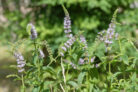
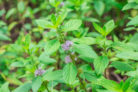
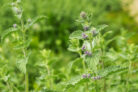
- Flowers: Tiny white, pink, or purple blooms arranged in spikes or clusters
- Bloom Time: Depending on the variety, they show off from June through September
- Seeds: Produces small nutlet fruits containing seeds in the fall
- Hardiness: Perennial and winter-hardy
- Spreading: Naturally propagates via seeds and underground runners (heads up: it can be invasive!)
Mint as a Healing Herb
The real magic of mint lies in its essential oils. Menthol is the big star here, but it’s also packed with menthone, flavonoids, tannins, and bitters. Keep in mind that the “kick” varies between types: Wild Mint is a menthol powerhouse, the classic Peppermint sits at about 40-45%, while Bergamot Mint actually contains no menthol at all.
Most people reach for mint to soothe an upset stomach or clear out a stuffy nose. But did you know the scent of mint is a natural brain booster? It’s great for clearing “brain fog” and helping you focus. You’ll also find it in plenty of skincare products because it’s fantastic at detoxing and refreshing tired skin.
In the Kitchen
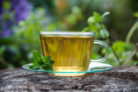
We’ve all had a cup of mint tea, but these green leaves (and even the colorful flowers!) are way more versatile than you might think:
- Drinks: Perfect for flavoring punches, cocktails (hello, Mojitos!), and smoothies
- Sweet Treats: A dream in cakes, ice cream, and anything chocolate
- Savory Dishes: Adds a fresh twist to soups, sauces, stir-fries, and salads
- Homemade Goods: Great for making your own syrup, jelly, or mint-infused oil
- Garnish: The easiest way to make any plate or glass look fancy
Growing and Care
Mint is pretty low-maintenance. Give it a spot with partial shade and keep the soil nice and moist, and it’ll grow like crazy. It’s just as happy in a garden bed as it is in a large pot on your balcony. Give it a little compost in the spring to kickstart growth, and make sure watering is on your daily to-do list during the hot summer months.
Pro Tip:
If you’re planting mint directly in the ground, use a root barrier (like a bottomless bucket). Otherwise, it *will* try to take over your entire garden!
Harvesting and Storage
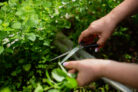
You can snip off individual sprigs anytime from April through September. For the best flavor, do your big harvest right before the plant flowers—that’s when the aromatic oils are at their peak. If you end up with a bumper crop, you can dry it for the pantry or freeze it to keep that fresh taste all winter long.