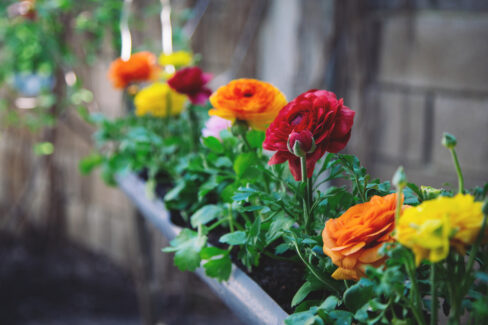
Ranunculus are those gorgeous, tuberous flowers we all love to see popping up in pots during the spring. But here’s the catch: since these tubers aren’t exactly fans of the cold, you’ll need to give them a little extra TLC over the winter if you want to see those blooms again next year.
Growing Ranunculus as Perennials
Even though you’ll often see them labeled as “perennials” at the garden center, ranunculus are pretty sensitive and can’t handle a hard freeze. If you leave them out in your flower beds or pots all winter, they’re likely toast. Those delicate tubers, with their funny little tentacle-like legs, will freeze right through when the temperature drops, and that’s usually the end of them.
If you want to keep your ranunculus going year after year, they need a winter safety plan. Even if you live in a milder climate, like a coastal area or a valley, they still need protection if they’re staying in the ground. Once the plant dies back in the fall, cut it down to the ground and cover the spot with a thick layer of brushwood, mulch, or compost. For extra insurance, you can toss a layer of garden fleece on top. This keeps the “heart” of the ranunculus safe and sound from the frost.
Overwintering Ranunculus Frost-Free
If your winters are just too harsh for the tubers to stay in the ground, these sensitive little guys need to come inside. Here’s the game plan:
- Cut the plant back in the autumn.
- Carefully dig up the tubers.
- Remove any small “baby” offset tubers (you can save and plant these too!).
- Shake off any loose soil.
- If the tubers are still damp, let them air dry for a day or two.
- Store the tubers in boxes filled with dry sand or wrapped in paper.
- Keep them in a spot that is cool, dry, and dark.
A basement, attic, garage, or a frost-free garden shed usually works perfectly for this.
Waking Up the Tubers in Spring
Once early spring rolls around, it’s time to get those dried-out tubers back into the dirt so you can have blooms by April. Start by soaking them in lukewarm water overnight—this helps them plump back up. The next day, plant them about 2 inches deep in nutrient-rich, well-draining soil (mixing in a little coarse gravel helps with drainage). Keep your pots or containers in a cool greenhouse or a cold frame for now. If you’re planting directly outside in a partially shaded spot, keep them protected with some brushwood for a bit. Water sparingly at first; only start watering regularly once you see green shoots appearing. At that point, you can start giving them liquid fertilizer every two weeks.
General Care Tips
A nice spot with partial shade and the right routine will help your ranunculus thrive for years. Keep these tips in mind:
- Keep the soil consistently moist, but definitely avoid “wet feet” (standing water).
- Fertilize every two weeks once the growth starts.
- Deadhead wilted flowers and remove yellowing leaves.
- This prevents the plant from wasting energy on seed production.
- Keep an eye out for pests or diseases.
- In late autumn, when the plant starts to go dormant, stop watering and fertilizing.
- Get them tucked away before the first frost hits!