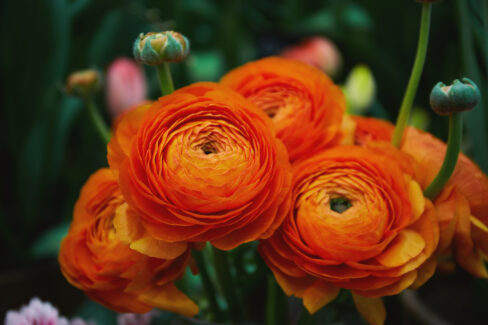
Most gardeners treat ranunculus as annuals, tossing them once the spring blooms fade. But here’s a little secret: these beauties are actually perennials! The catch is that they are super sensitive to the cold. Unless you live in a very mild climate, they won’t survive a harsh winter outdoors. To keep them coming back year after year, your best bet is to dig up the tubers and store them somewhere frost-free.
How to Overwinter Your Ranunculus
When you grow ranunculus, the plant develops a claw-like tuber underground that acts as its energy storage. With a little TLC, that tuber can produce gorgeous flowers for several seasons. Now, cold tolerance depends on the specific variety—some tough types can handle temperatures down to 10°F, but most start to struggle once it hits 25°F. To play it safe, it’s best to overwinter your ranunculus in a protected spot. Here’s how you do it:
- In the fall, the plant will naturally die back, sending all its energy down into the tuber.
- Carefully dig up the tubers.
- Gently brush off any excess soil and trim away the dead foliage.
- Store the tubers in a cool, dry, and dark place.
- A wooden crate or a pot filled with dry soil works perfectly for storage.
- Do not water or fertilize them at all during this dormant phase.
Replanting in the Spring
Once spring rolls around, it’s time to get those tubers back in the dirt. You can give them a head start at the end of winter by planting them in pots on a cool windowsill or in a protected cold frame. If the tubers look shriveled and dry, soak them in lukewarm water overnight to “plump” them up before planting. Place them about 2 inches deep in well-draining potting soil. Water sparingly at first—only increase the watering once you see those first green sprouts popping up.
Care Tips for Perennial Ranunculus
If you want your ranunculus to thrive for years, choosing the right spot is half the battle. These plants love partial shade; direct, scorching afternoon sun will dry out those delicate petals way too fast. They also need well-draining soil to prevent root rot. Here’s your checklist for happy plants:
- Keep the soil consistently moist, but never soggy.
- Feed them with a liquid fertilizer every two weeks during the growing season.
- Keep an eye out for diseases.
- If you spot any pests, deal with them right away.
- Deadhead wilted flowers regularly—this stops the plant from wasting energy on seeds.
- Stop watering and fertilizing in late fall.
- Cut back the foliage once it yellows.
- In cold regions, dig up the tubers and store them in a cool, dry place for the winter.