When it comes to getting currants in the ground, there isn’t one single “perfect” date on the calendar. However, if you want your bushes to thrive, there are definitely some expert-approved windows to aim for. The goal is to give those little shrubs the best start possible so they can establish strong roots, and some seasons are just better for that than others. Let’s dive into the best timing for your new berry patch.
When is the ideal time to plant currants?
Just like most berry bushes, fall is hands-down the best time to plant. This gives the plants the best chance to settle in, and currants are no exception. If you’re dealing with bare-root shrubs, fall is really the only time they should go into the dirt. Why is autumn so magical? The soil is usually nice and moist, and you don’t have to worry about those brutal summer heatwaves or long dry spells stressing out your new plant.
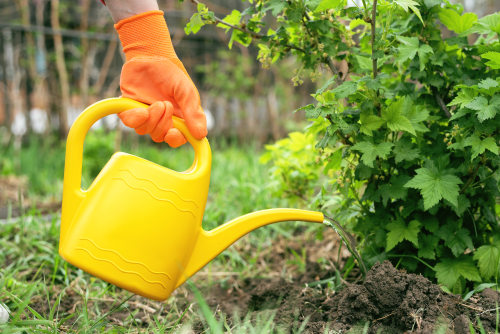
Once you’ve got your shrub in the ground, give it a good, deep soak. After that, nature usually takes over, and you won’t need to worry much about extra watering. Now, if you decide to plant in the summer, it’s a different story—you’ll need to be much more diligent with the garden hose. If you missed the fall window, early spring is your next best bet. Just make sure the ground isn’t frozen and keep a close eye on the soil moisture.
Bare-root vs. container-grown plants
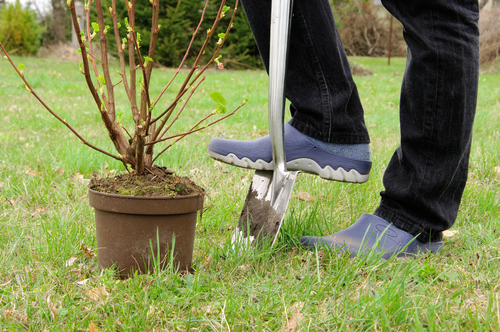
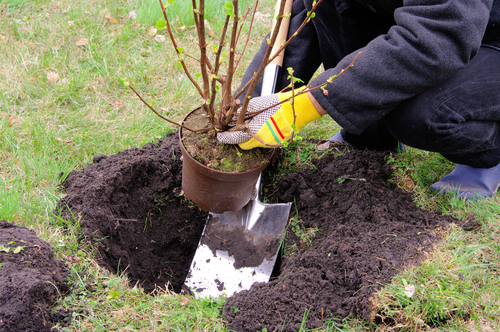
The “when” also depends a bit on “what” you’re planting. If you picked up a container-grown plant from your local nursery, you have more flexibility; these can actually go in the ground during the spring or summer because their roots are already established in soil. Just be sure to soak the entire root ball in a bucket of water for a few hours before planting. Bare-root shrubs, on the other hand, are a bit more sensitive and really should stick to a fall planting schedule.
When working with container plants, gently slide the root ball out of the pot. Be careful not to damage those delicate roots! It’s a good idea to lightly loosen the outer roots if they’re circling the pot, then give the whole thing that nice long soak in clear water. By the way, if you’re planting currants grown as a standard (tree-form), the same rule applies: fall is your best friend.
Pruning before you plant
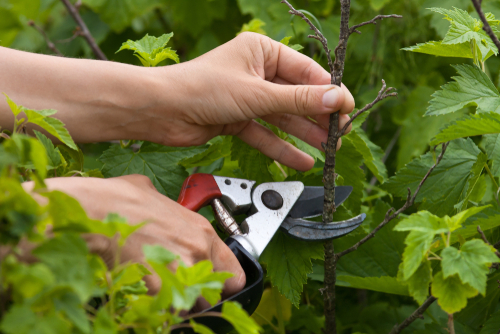
If you’re starting with a larger shrub, it’s actually a great idea to prune it back a bit before it goes into the ground. This helps the plant focus its energy on root growth rather than maintaining a bunch of foliage. Go ahead and snip off:
- Weak or spindly shoots,
- Any damaged branches,
- Wayward stems that ruin the shape, and
- Any parts that got bent or broken during transport.