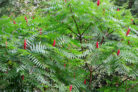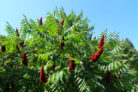
Planting a Staghorn Sumac (botanical name *Rhus typhina*) in your backyard is a great way to add some drama to your landscape, but you’ve got to be smart about it. While it’s a stunning ornamental shrub, it’s also a bit of a rebel. Without a proper root barrier, this plant develops a massive underground network that can cause some serious headaches down the road.
The Perfect Spot
If you want your Sumac to really shine, give it a spot in full sun. It’ll survive in partial shade, but you’ll miss out on that jaw-dropping fall foliage that makes this plant famous. Pro tip: If you want those autumn colors to really pop, try planting it in front of an evergreen hedge for a beautiful contrast.
Soil Preferences
The good news is that Staghorn Sumac isn’t a diva when it comes to soil. As long as the ground is dry and well-draining, it’ll be happy. The one thing it absolutely hates is “wet feet”—so avoid soggy areas at all costs. It also tends to struggle in soil that is heavily alkaline (high lime content).
Giving It Space
You’ll want to give this shrub plenty of elbow room—at least ten feet of clearance in every direction. Why? Because *Rhus typhina* sends out aggressive root suckers with surprising strength. If you plant it too close to your favorite garden features, you might find that the Sumac:
- Punches right through pond liners,
- Cracks and lifts patio pavers,
- Or invades your gravel paths.
Planting Time
Before you even think about putting your Sumac in the ground, you absolutely must install a root barrier. This is the only way to keep those wandering roots from taking over your entire yard.
The Root Barrier
Standard garden liners won’t stand a chance against this plant. You need a heavy-duty rhizome barrier that can handle:
- UV exposure,
- Freezing temperatures,
- And hungry rodents looking for a snack.
A 2mm thick HDPE (High-Density Polyethylene) liner is the gold standard here. It’s tough enough to keep the Sumac in check for years to come.
Getting It in the Ground
To make sure the barrier works and the roots still have enough room to breathe, you’ll need to dig a substantial hole:
- About 6.5 feet (200 cm) in diameter.
- About 2 feet (60 cm) deep. (Most suckers travel about 12 inches below the surface, so this gives you a safe margin).
Line the hole with your HDPE film. Make sure the ends overlap by at least 4 inches and secure them with an aluminum closure strip or weld them together. You don’t want to leave any “loopholes” for a stray root to wiggle through! Once the barrier is set, place your Sumac right in the center.
When to Plant
The best times to plant are in the early spring or fall. If you go with a spring planting, just make sure to give it a good soak regularly during those first few weeks so it can get established and start thriving!