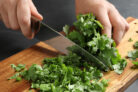
Basil is a total kitchen staple. It grows fast, smells amazing, and you can harvest it pretty much year-round. But if you want your plant to stay lush and healthy, there’s a right way and a wrong way to give it a haircut. Here’s everything you need to know about pruning your basil like a pro.
Harvesting the Right Way
Basil is easily one of the most popular herbs out there. You can pick up potted basil at the grocery store or garden center almost any time of year. To keep it bushy and productive, you’ve got to prune it frequently and correctly. A lot of people just pluck individual leaves off the stems, but that’s actually not great for the plant. Tearing off leaves can leave tiny “wounds” on the stem, which makes it easy for fungi and diseases to move in.
Encouraging New Growth
Plus, when you only pick the leaves, the plant tends to get “leggy”—meaning it grows tall and thin rather than full and bushy. Not only does this look a bit sad, but it also triggers the plant to flower sooner. Once basil starts blooming, the leaves lose that signature spicy-sweet flavor and can even start tasting bitter.
How to Prune Your Basil
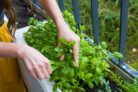
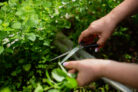
Pruning like a pro is actually super simple. Instead of plucking leaves, you want to cut the entire stem from the top down to just above a new leaf node (where a pair of small leaves is starting to grow). New stems will sprout from these nodes in no time! If you don’t want to use the tougher stems in your cooking, you can just strip the leaves off the stem after you’ve cut it.
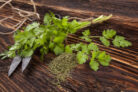
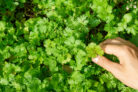
The best tools for the job are a pair of herb snips or a sharp knife—just be careful not to nick the surrounding stems. If your plants are growing really close together in a pot or outdoors in a garden bed, you can also use your fingernails to pinch the stems off to avoid damaging the neighbors. Basil handles a “hard prune” pretty well, too, as long as you leave two or three pairs of leaves on each stem. If you cut it all the way down to the soil, the plant won’t be able to grow back and will eventually die.
Pruning for Overwintering
Certain varieties, like “African Blue” perennial basil, can actually survive the winter if you bring them inside where it’s warm. To keep these types looking bushy, you’ll need to regularly trim back long, runaway stems. Make sure to snip off any flowers or spent blooms, too. If the plant starts producing seeds , it puts all its energy into that process and will likely die off afterward.
Before winter sets in, give your basil a more significant trim. Reducing the overall foliage helps with airflow during the colder months when the plant is indoors. This simple step goes a long way in preventing pests and diseases from taking over.
Pruning Basil Trees
If you’ve grown or bought a basil tree (standard), you can be pretty bold with your pruning all summer long. When you’re harvesting , use a knife or scissors to keep the “crown” of the tree nice and round. If you’re planning to overwinter a basil tree, thin out the center of the crown a bit. This ensures good airflow and makes sure all the leaves get their fair share of light.
Pro Tip: If you’ve given your basil a major haircut—maybe because you’re preserving a big batch of leaves for winter—take it easy on the water and skip the fertilizer for a week or two. Without all those leaves, the plant can’t process as much food or water, and you don’t want to overwhelm it!