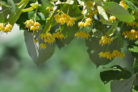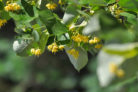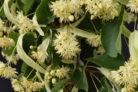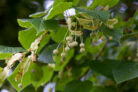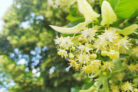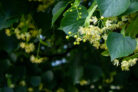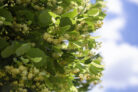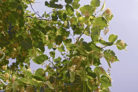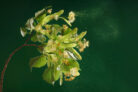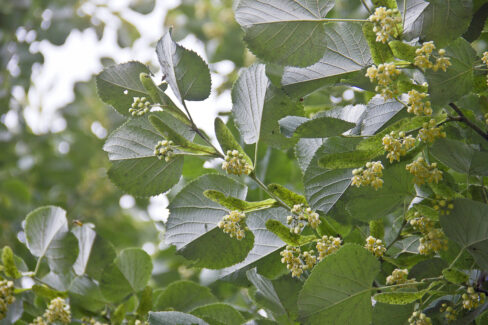
When you think of linden trees (also known as basswoods here in the States), your mind probably goes straight to those massive trunks, heart-shaped leaves, and fragrant blossoms. But what about the little fruits that follow the flowers? Most people walk right past them without a second thought!
A Tree with Deep Roots
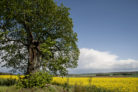
While many trees are tucked away in deep forests, lindens are usually planted right where the action is. There’s a reason so many old stories and songs feature folks gathering in the shade of a linden tree. They are staples for lining beautiful avenues and have been a fixture in literature for centuries. Beyond their looks, linden blossoms are a powerhouse in natural medicine and act as a total magnet for bees during the blooming season.
Getting to Know the Fruit
Once the flowers fade, the linden tree gets to work on its fruit. These look like tiny, slightly elongated green balls, usually reaching about a third of an inch in size. Their small size is actually a clever survival tactic. Each fruit is attached to a leafy wing called a bract. When the fruit is ripe, the bract detaches and acts like a little helicopter, letting the wind carry the seeds far away from the parent tree. To catch a ride on the breeze, they have to stay lightweight!
Different Varieties, Different Fruits
There are about 45 different species of linden trees worldwide, with a handful being particularly common in our yards and parks. You can actually tell them apart by looking closely at their fruit:
- Littleleaf Linden: These fruits are on the smaller side, brownish in color, and have a much softer shell than other varieties.
- Largeleaf Linden: These are a bit bigger (up to a centimeter), greenish-yellow, and have five distinct ribs or “edges” on the shell.
- Silver Linden: You’ll recognize these by their light green color and smoother, rounder shape with fewer ridges.
- Crimean Linden: These look a lot like the Largeleaf variety in size and color but tend to be a bit more spherical.
Can You Eat Them?
The big question every forager asks: are linden fruits edible? The answer is: sometimes! Not all of them are great for snacking. A good rule of thumb is the “squeeze test.” If the fruit is soft—like those found on the Littleleaf linden—they are generally safe to eat and actually have a surprisingly pleasant, nutty flavor.