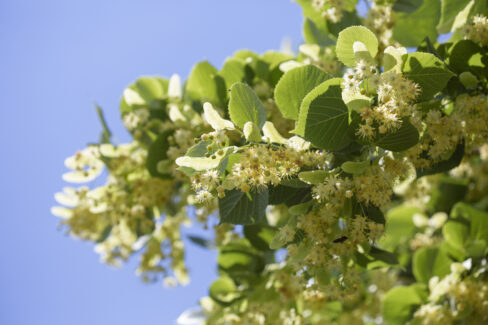
Linden trees aren’t just for city parks and grand boulevards; they’re actually a favorite in many of our own backyards. One thing you’ll quickly notice if you have one is that they are incredibly good at spreading—nature has given them a few clever tricks to keep their legacy going.
A Tree That Really Wants to Grow
The Linden (or Lime tree, as some call it) isn’t just a staple of folklore and poetry; it’s a survival specialist. These trees have mastered two main ways to reproduce: vegetative (asexual) reproduction and generative (sexual) reproduction through pollination. Basically, the Linden has a “plan B” for just about every situation.
Vegetative Reproduction
In the vegetative world, the Linden reproduces through cell division. It’s essentially cloning itself! This usually happens in one of two ways:
- Root suckers
- Stump sprouts (Epicormic shoots)
Root Suckers
Root suckers are little shoots that pop up directly from the tree’s root system near the surface. You’ll often see a little “forest” of saplings springing up around the base of a mature Linden. Interestingly, the tree usually goes into overdrive with these suckers if the main trunk has been badly damaged or is struggling to get nutrients. It’s the tree’s way of saying, “I need a backup plan!”
Stump Sprouts
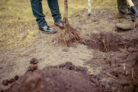
While a Linden’s branches normally grow from main buds, the tree also keeps “sleeping buds” (latent buds) tucked away under the bark. If a main branch gets damaged or pruned away, these sleeping eyes wake up and send out new shoots. You can actually take these cuttings, tuck them into the soil, and they’ll often develop their own root systems to become entirely new trees.
Generative Reproduction
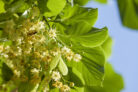
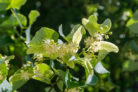
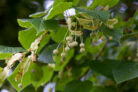
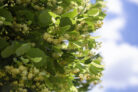
Then we have the classic method: generative reproduction via fertilized seeds. Linden trees are absolute rockstars when it comes to seed production because bees love them just as much as they love canola fields. After the blooming season, those pollinated flowers turn into little nut-like fruits. Each one is attached to a leafy wing that acts like a sail, allowing the wind to carry the seeds far away from the parent tree to start a new life.