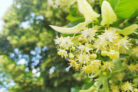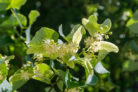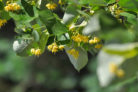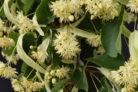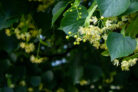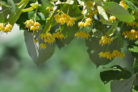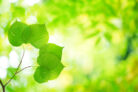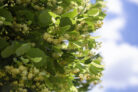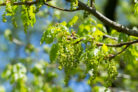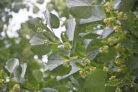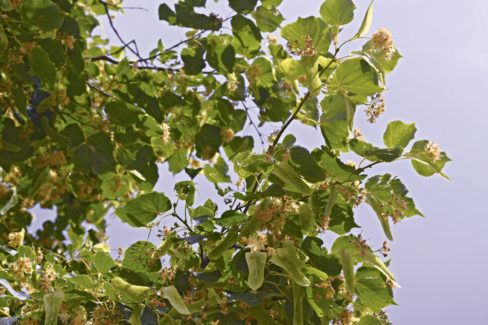
The Large-Leaved Lime (Sommerlinde) is the early bird of the linden family, being the first to show off its beautiful yellow blossoms each year. These flowers aren’t just essential for the tree’s fruit development; they’re also a powerhouse in natural medicine and a sweet addition to your kitchen pantry.
The Blossoms of the Large-Leaved Lime
The flowers of the Large-Leaved Lime typically sport a soft yellow hue, though you’ll often see them leaning toward a creamy white or a pale, minty green. While individual flowers are relatively small—about half an inch (12 mm) wide—they grow in clusters (cymes) of four to six. This grouping creates a striking, bright highlight against the green canopy that’s hard to miss.
The First Linden to Bloom
If you’re waiting for that classic linden scent, keep an eye out in June. The Large-Leaved Lime is the earliest bloomer among the common linden species. While its cousins usually wait until July or August to show their faces, this variety gets the summer party started a month early.
From Flowers to Fruit
Once those blossoms have been pollinated, they transform into fruits. You might know these little guys as “nutlets” or “propellers.” They are small (about 8 to 10 mm), covered in fine downy hairs, and feature a woody shell that helps them hitch a ride on the wind.
A Paradise for Pollinators
Thanks to their sweet, delicate fragrance, these trees are a magnet for bees and other beneficial insects. If you’re looking to create a pollinator-friendly backyard, the Large-Leaved Lime is a fantastic choice. From the moment the buds pop in early summer, the tree becomes a buzzing hub of activity. These visiting bees and birds don’t just enjoy the nectar; they handle the essential job of pollination and seed dispersal. To really boost your local ecosystem, try planting a few lindens or companion plants nearby to create a thriving natural habitat.
Putting Linden Blossoms to Use
Those tiny yellow flowers are incredibly versatile. Just like the leaves, the blossoms are completely edible and have been used in folk medicine for centuries. You can brew them into a soothing linden flower tea, infuse them into honey, or extract their aromatic essential oils. Health-wise, linden tea is a go-to remedy for respiratory issues, the common cold, or even settling an upset stomach. Plus, they are famous for their “diaphoretic” effect—meaning they help you break a sweat to kick a fever faster!