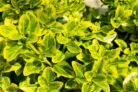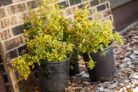
The European Spindle (often called *Euonymus*) is a tough, low-maintenance large shrub that you’ll see everywhere from public parks to backyard gardens. But here’s the irony: even though this plant is toxic to humans and many animals, garden pests absolutely love it!
Common Pests Affecting Your Spindle Tree
Usually, pests only become a real headache if your shrub is already a bit stressed or if the growing conditions aren’t quite right. You’ll notice a bigger surge in “unwanted guests” especially after a mild winter. Here are the main culprits to watch out for:
- The Spindle Ermine Moth
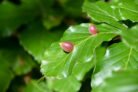
- Felt Gall Mites
- Euonymus Scale
- Powdery and Downy Mildew
The Spindle Ermine Moth
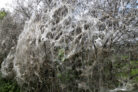
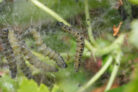
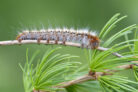
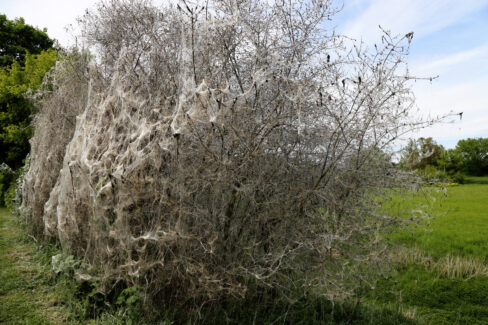
This little moth is a nocturnal flyer that looks for a host plant to call home. In the fall, the females lay their eggs right on the bark. Once spring rolls around, the caterpillars hatch and start munching away until the shrub is practically bare. To protect themselves from the elements, they spin fine, white silky webs all over the branches. The good news? Even if it looks a bit spooky for a while, the plant usually bounces back and grows new leaves once the caterpillars pupate.
Felt Gall Mites
These tiny critters hang out on the underside of the leaves, sucking the sap straight from the veins. You’ll know you have them if you see a white, fuzzy “felt” on the bottom of the leaves, while the tops start looking yellow and sickly. The mites themselves are microscopic, so you won’t see them with the naked eye. They spend their winters hiding in the buds or bark. While a heavy infestation might cause some leaves to drop, it usually doesn’t do any permanent damage to the shrub.
Euonymus Scale
Scale insects are the ones you really need to watch out for, especially during hot, dry summers. They can do some serious damage. The first red flags are pale spots appearing on the top of the leaves. If the infestation gets out of hand, the shrub will weaken and start losing its leaves.
If you spot them, prune off the affected branches and toss them in the trash (don’t compost them!). You can also try scraping the scales off the leaves and stems before they hatch. For an eco-friendly fix, try attracting “beneficial bugs” like lacewings and ladybugs—they think scale insects are a delicious snack!
Mildew
There are two types to keep an eye on: Powdery Mildew (the “fair-weather” fungus) and Downy Mildew (the “wet-weather” fungus). Powdery mildew looks like a dusty white coating on the tops of the leaves, while downy mildew sticks to the undersides. You can fight both using silica-rich sprays like horsetail or nettle tea.
For Powdery Mildew, a simple mix of milk and water sprayed on the leaves every two days works wonders. For Downy Mildew, stick with the horsetail tea or reach for a fungicide if things get really out of control.